




Last updated:
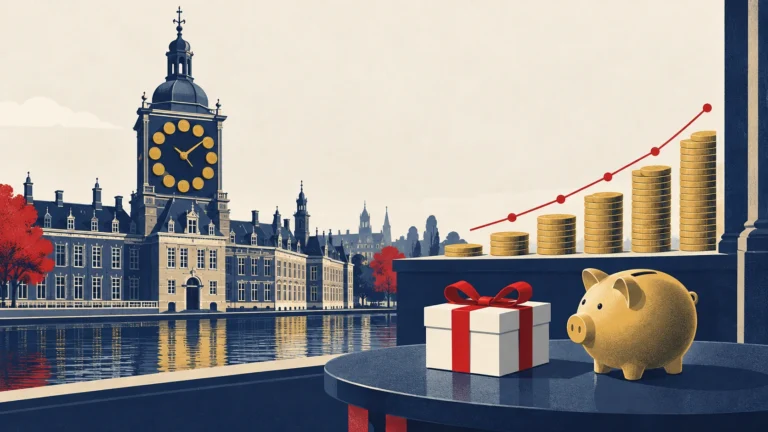
The Dutch housing market, long a source of anxiety for aspiring homeowners, is showing surprising signs of accessibility for young people. Recent figures reveal a remarkable 169% increase in mortgage applications from first-time buyers, signaling a potential shift in the landscape of homeownership. This isn’t just a statistical blip; it represents a tangible opportunity for a generation often priced out of the market. But what’s driving this change, and is it sustainable? This article delves into the factors behind this surge, its historical context, and what it means for the future of the Dutch property market.
Table of Contents
- Historical Context: A Generational Struggle
- Driving Factors Behind the Surge
- Government Policies and Their Impact
- Regional Variations in Accessibility
- Future Implications and Potential Challenges
Historical Context: A Generational Struggle
For decades, homeownership in the Netherlands has been a cornerstone of the ‘Dutch Dream,’ but increasingly out of reach for younger generations. The post-war boom saw widespread homeownership, fueled by social housing initiatives and relatively affordable mortgages. However, the late 20th and early 21st centuries witnessed a steady increase in property prices, outpacing wage growth. The 2008 financial crisis initially caused a dip, but the market quickly rebounded, driven by low interest rates and a persistent housing shortage. Millennials and Gen Z entered the market facing significantly higher barriers to entry than their parents and grandparents. The combination of strict lending criteria, rising house prices, and limited housing supply created a perfect storm, leading to a generation of renters.
Driving Factors Behind the Surge
Several factors are contributing to the current surge in mortgage applications. Firstly, a slight cooling of the housing market in late 2023 and early 2024, while not a crash, has created a less frenzied buying environment. Secondly, a stabilization of interest rates, after a period of rapid increases, is providing some predictability for potential buyers. Thirdly, and perhaps most importantly, a growing number of young people are receiving financial support from their parents, enabling them to meet the deposit requirements. Finally, innovative mortgage products, such as those offering higher loan-to-value ratios, are becoming more prevalent, making homeownership more accessible.
Government Policies and Their Impact
The Dutch government has implemented several policies aimed at increasing homeownership, particularly among first-time buyers. The ‘Starterspremie’ (Starter’s Premium), a tax benefit for first-time homebuyers, has been extended and adjusted to make it more effective. Furthermore, the government is investing in the construction of new affordable housing, although the pace of construction remains a significant challenge. The recent relaxation of rules regarding the ‘hypotheekrenteaftrek’ (mortgage interest deduction) for certain buyers has also provided a boost. However, critics argue that these measures are insufficient to address the underlying structural issues of housing supply and affordability.
Regional Variations in Accessibility
The accessibility of homeownership varies significantly across different regions of the Netherlands. The Randstad region (Amsterdam, Rotterdam, The Hague, Utrecht) remains the most expensive and competitive market, with limited opportunities for first-time buyers. However, provinces outside the Randstad, such as Friesland, Groningen, and Drenthe, offer more affordable options. The eastern and northern parts of the country generally have lower house prices and a higher availability of housing stock. This regional disparity is driving a trend of young people moving away from the major cities in search of more affordable living.
Future Implications and Potential Challenges
While the current surge in mortgage applications is encouraging, several challenges remain. The housing shortage is still acute, and demand continues to outstrip supply. Rising construction costs and bureaucratic hurdles are hindering the pace of new construction. Furthermore, the potential for future interest rate increases could dampen buyer enthusiasm. The long-term sustainability of this trend depends on continued government investment in affordable housing, further relaxation of lending criteria, and a stable economic outlook. It’s crucial to avoid a repeat of the housing bubble of the 2000s, which had devastating consequences for many homeowners.
Key Takeaways
- A Real Shift? This isn’t just a flash in the pan. The 169% increase is a significant indicator that young people are *finally* gaining some traction in the Dutch housing market.
- Parental Support is Key: Let’s be honest, a lot of this is being propped up by the ‘Bank of Mum and Dad.’ This highlights the systemic issues making independent homeownership so difficult.
- Regional Focus is Crucial: Forget Amsterdam if you’re starting out. Looking beyond the Randstad is essential for realistic homeownership prospects.
- Sustainability Concerns: The underlying issues of housing supply and potential interest rate hikes still loom large. This progress could easily be reversed.
| 🇳🇱 Word | 🗣️ Pronun. | 🇬🇧 Meaning | 📝 Context (NL + EN) |
|---|---|---|---|
| 🏠 Huis | /hœys/ | House | Ik ga naar mijn huis. (I am going to my house.) |
| 💰 Hypotheek | /ɦipɔˈteːk/ | Mortgage | We hebben een hypotheek nodig om een huis te kopen. (We need a mortgage to buy a house.) |
| 🏘️ Woning | /ˈwoːnɪŋ/ | Dwelling/Home | De woning is erg groot en mooi. (The dwelling is very large and beautiful.) |
| 📈 Stijging | /ˈstɛi̯ɣɪŋ/ | Increase | Er is een stijging in de huizenprijzen. (There is an increase in house prices.) |
(Swipe left to see more)
Is this surge a sign of a truly sustainable shift in homeownership accessibility, or are we simply witnessing a temporary reprieve before the market reasserts its exclusivity?
Share your thoughts in the comments below! Do you know young people who are finally managing to buy? What challenges are they still facing? Let’s discuss the future of homeownership in the Netherlands.
Renting or buying in 2027?
Our free checklist covers the transfer tax cut, box 3, energy and every deadline before 1 January. Confirm your email and the PDF is yours; we will also email you when the 2027 figures are confirmed.
 Read nextBusiness & FinanceStarting a Business in the Netherlands as an Expat: KvK, VAT and Your First Website