



Last updated:
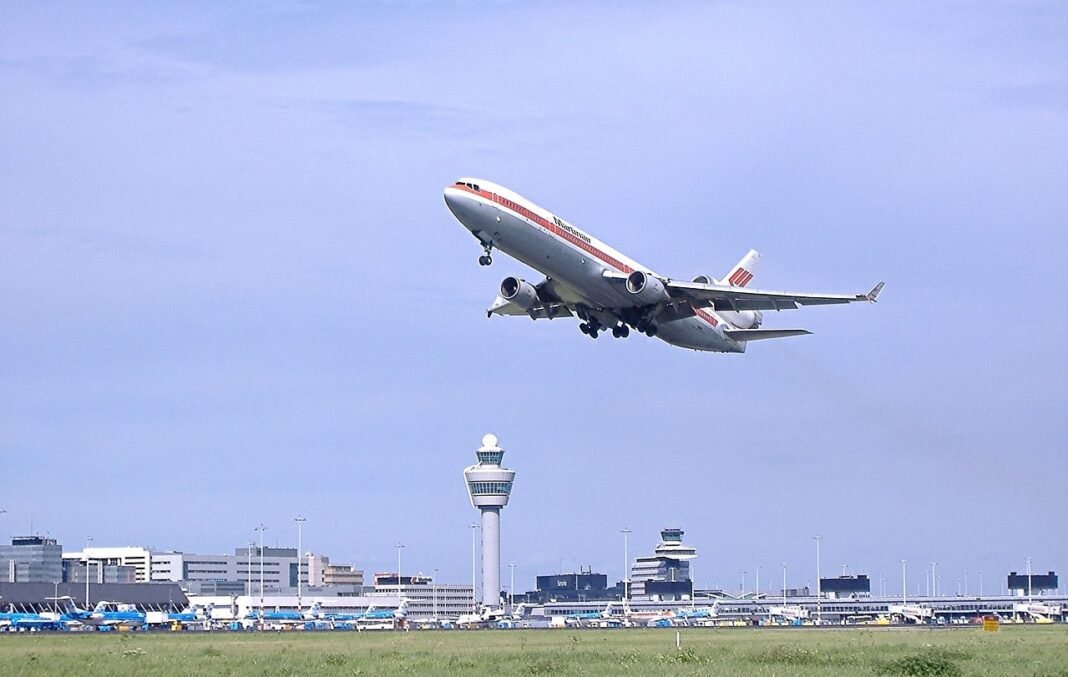
The scenes at Schiphol Airport are becoming increasingly familiar – and increasingly frustrating. Around a thousand passengers were forced to spend the night within the airport walls as a severe winter storm brought travel to a standstill, leading to the cancellation of over half of all scheduled flights. The question on everyone’s lips is whether those stranded will be able to depart on Wednesday, and unfortunately, further disruptions are highly likely. This isn’t merely an inconvenience; it’s a stark reminder of the vulnerability of modern travel infrastructure to extreme weather events. The situation highlights systemic issues within airport management and airline responsibility, issues that demand urgent attention.
Table of Contents
- A History of Winter Disruptions at Schiphol
- The Current Situation: A Deep Dive
- Underlying Causes: Why is Schiphol So Vulnerable?
- Future Implications and Potential Solutions
- Key Takeaways
- Dutch Learning Corner
A History of Winter Disruptions at Schiphol
Schiphol Airport, one of Europe’s busiest hubs, is no stranger to winter-related disruptions. However, the scale of the current chaos feels particularly acute. Historically, the Netherlands has experienced significant snowfall and icy conditions, particularly during the months of December and January. In 2010, a similar, albeit less prolonged, situation unfolded, causing widespread delays and cancellations. More recently, in 2018, heavy snowfall led to significant disruption, but the airport was able to recover relatively quickly. What sets the current situation apart is the combination of heavy snowfall, freezing temperatures, and a pre-existing staffing shortage within the aviation industry, exacerbated by the COVID-19 pandemic. This confluence of factors has created a perfect storm, leaving thousands stranded and raising serious questions about preparedness.
The Current Situation: A Deep Dive
As of Wednesday morning, over 50% of all flights have been cancelled, impacting tens of thousands of passengers. KLM, the Dutch national airline, has been forced to ground a significant portion of its fleet. Passengers are reporting long queues, lack of information, and difficulties accessing basic necessities like food and water. The airport authorities are working to provide accommodation for stranded passengers, but capacity is limited, leading to many sleeping on floors and chairs. The Dutch railway network, NS, is also experiencing delays and cancellations due to the weather, further complicating travel arrangements. The situation is particularly challenging for passengers with connecting flights, who are facing significant uncertainty and potential missed connections.
Underlying Causes: Why is Schiphol So Vulnerable?
While the winter weather is the immediate cause of the disruption, several underlying factors have contributed to the severity of the situation. Firstly, Schiphol’s location in a low-lying country makes it particularly vulnerable to snowfall and freezing temperatures. Secondly, the airport’s infrastructure, while modern, is struggling to cope with the increasing volume of traffic. Thirdly, the aforementioned staffing shortages within the aviation industry, including baggage handlers, security personnel, and ground crew, are hindering the airport’s ability to respond effectively to the crisis. Finally, a lack of coordinated communication between airlines, airport authorities, and ground handling companies is exacerbating the confusion and frustration among passengers. The recent reduction in winter maintenance staff at Schiphol has also been heavily criticized.
Future Implications and Potential Solutions
The current crisis serves as a wake-up call for the aviation industry. Investing in more robust winter maintenance equipment, increasing staffing levels, and improving communication protocols are crucial steps to mitigate the impact of future disruptions. Furthermore, airlines need to be more proactive in anticipating and managing weather-related risks, including offering flexible rebooking options and providing clear and timely information to passengers. Longer-term solutions may involve exploring alternative airport designs that are less susceptible to weather-related disruptions. The increasing frequency of extreme weather events due to climate change also necessitates a fundamental rethinking of airport infrastructure and operational procedures. A more resilient and adaptable approach is essential to ensure the continued smooth functioning of air travel.
Key Takeaways
- This is a systemic failure, not just bad luck. The weather is a factor, but pre-existing issues like staffing shortages and infrastructure limitations amplified the problem.
- Passenger rights need strengthening. Stranded passengers deserve better support, including adequate accommodation, food, and clear communication.
- Climate change is making this more common. We need to prepare for more frequent and severe weather disruptions in the future.
- Schiphol needs a serious overhaul of its winter preparedness plan. Simply reacting to crises isn’t enough; proactive measures are essential.
Dutch Learning Corner
| 🇳🇱 Word | 🗣️ Pronun. | 🇬🇧 Meaning | 📝 Context (NL + EN) |
|---|---|---|---|
| ❄️ Sneeuw | /sneu/ | Snow | Er ligt veel sneeuw op de grond. (There is a lot of snow on the ground.) |
| ✈️ Vliegtuig | /vliɣtœyɣ/ | Airplane | Het vliegtuig is vertraagd door het slechte weer. (The airplane is delayed due to the bad weather.) |
| 🥶 Koud | /kɑut/ | Cold | Het is erg koud buiten vandaag. (It is very cold outside today.) |
(Swipe left to see more)
Is Schiphol adequately prepared for the increasing challenges posed by climate change and extreme weather events?
The current situation at Schiphol raises serious questions about the airport’s long-term resilience. Are enough resources being allocated to winter preparedness? Is the airport adapting quickly enough to the changing climate? Share your thoughts and experiences in the comments below. Let’s discuss how we can ensure a more reliable and sustainable travel experience for everyone.
Free: Netherlands 2027 Money Checklist
Every deadline and number you need before and after 1 January 2027, on two printable pages. Confirm your email and the PDF is yours; we will also email you when the 2027 figures are confirmed.
 Read nextBusiness & FinanceStarting a Business in the Netherlands as an Expat: KvK, VAT and Your First Website