



Last updated:
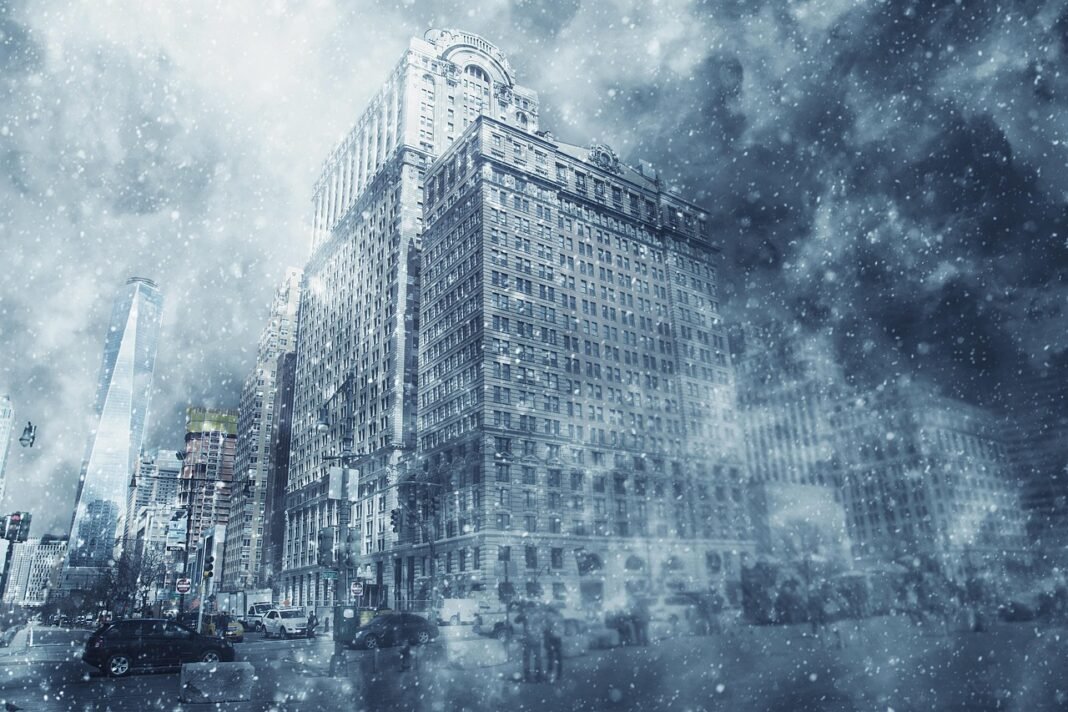
The Netherlands is bracing for continued disruption to its train services as winter weather persists. Following announcements from ProRail and NS, passengers should prepare for a reduced timetable, increased crowding, and potential delays. This isn’t merely a seasonal inconvenience; it’s a recurring challenge that highlights vulnerabilities in the Dutch railway infrastructure and raises questions about long-term resilience. The impact extends beyond commuters, affecting business travel, tourism, and the overall economic flow of the country. Understanding the reasons behind these disruptions, their historical context, and potential future solutions is crucial for both travelers and policymakers.
Table of Contents
- A History of Winter Woes
- Proactive Measures and Reactive Adjustments
- Infrastructure Challenges and Investment Needs
- The Passenger Impact: Beyond Delays
- Future-Proofing the Dutch Railway
A History of Winter Woes
The Netherlands, despite its relatively mild maritime climate, is frequently impacted by winter weather. Snow, ice, and strong winds can all wreak havoc on the railway network. Historically, disruptions have been a recurring theme, dating back to the early days of rail travel. The flat landscape, while advantageous for railway construction, also leaves the tracks exposed to the elements. The 1963 winter, known as the ‘Severe Winter’, brought the country to a standstill, with widespread travel chaos. While infrastructure has improved since then, the fundamental vulnerability remains. Each winter season serves as a reminder of the delicate balance between maintaining service and ensuring safety. The frequency of these disruptions isn’t simply a matter of increasingly severe weather; it’s also linked to the aging of certain infrastructure components and the increasing demands placed on the network.
Proactive Measures and Reactive Adjustments
ProRail employs a range of proactive measures to mitigate the impact of winter weather. These include pre-treating tracks with anti-icing agents, deploying specialized snowplows, and monitoring weather forecasts closely. However, these measures are often insufficient to prevent all disruptions, particularly during prolonged or intense weather events. The current situation, with a ‘winterdienstregeling’ (winter timetable) being implemented, is a reactive adjustment. This means reducing the number of trains, increasing headways (the time between trains), and prioritizing key routes. While necessary for safety, it inevitably leads to overcrowding and inconvenience for passengers. The effectiveness of these measures is constantly being evaluated, and ProRail is exploring new technologies and strategies to improve its winter resilience.
Infrastructure Challenges and Investment Needs
A significant underlying issue is the age and condition of certain parts of the railway infrastructure. Points (the movable sections of track that allow trains to switch between lines) are particularly vulnerable to freezing and malfunction. Upgrading these points to more resilient designs is a costly but essential undertaking. Furthermore, the overhead catenary system (which provides power to the trains) can be affected by ice buildup, leading to power outages. Investment in modernizing the catenary system is also crucial. The Dutch government has committed to significant investment in railway infrastructure over the coming years, but the pace of these upgrades needs to accelerate to address the growing challenges posed by climate change and increasing demand. The debate isn’t just about spending money; it’s about prioritizing investments that will deliver the greatest long-term benefits.
The Passenger Impact: Beyond Delays
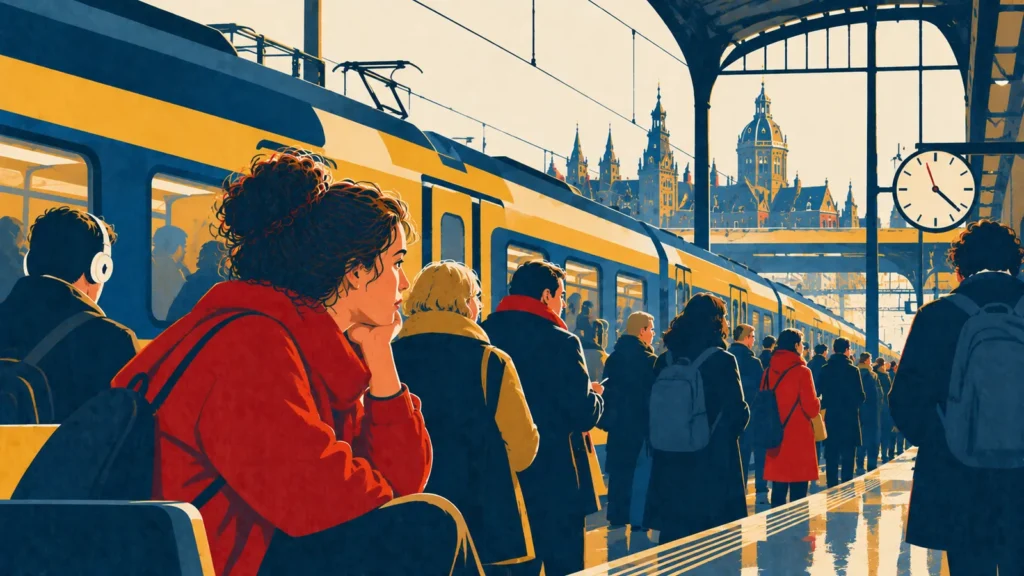
The impact of train disruptions extends far beyond mere delays. Overcrowding leads to uncomfortable and potentially unsafe travel conditions. Missed connections can disrupt travel plans and cause significant inconvenience. For businesses, delays can result in lost productivity and missed opportunities. The economic cost of these disruptions is substantial. Moreover, the uncertainty surrounding train services can erode public trust in the railway system. Effective communication is therefore paramount. Passengers need to be informed promptly and accurately about disruptions, and alternative travel options should be clearly communicated. The NS app and website are vital tools in this regard, but they need to be constantly improved to provide real-time information and personalized travel advice.
Future-Proofing the Dutch Railway
Looking ahead, future-proofing the Dutch railway requires a multi-faceted approach. This includes continued investment in infrastructure upgrades, the adoption of new technologies (such as advanced weather forecasting and predictive maintenance), and a more proactive approach to winter preparedness. Exploring alternative power sources for the catenary system, such as renewable energy, could also enhance resilience. Furthermore, improving the integration of public transport modes (train, bus, tram) can provide passengers with more flexible travel options during disruptions. Ultimately, building a more resilient railway network is not just about protecting against winter weather; it’s about ensuring the long-term sustainability and reliability of the Dutch transport system.
Key Takeaways
- The current train disruptions are a recurring problem, highlighting the need for sustained investment in infrastructure. It’s not enough to just react; we need to proactively build a more resilient system.
- Passenger communication is *critical*. Clear, accurate, and timely information is essential for minimizing inconvenience and maintaining public trust.
- The Netherlands needs to embrace innovation – from advanced weather forecasting to new track technologies – to stay ahead of the challenges posed by climate change.
- This isn’t just a transport issue; it’s an economic one. Disruptions have a real cost, and investing in resilience is an investment in the Dutch economy.
| 🇳🇱 Word | 🗣️ Pronun. | 🇬🇧 Meaning | 📝 Context (NL + EN) |
|---|---|---|---|
| ❄️ Sneeuw | /ˈsneːu̯/ | Snow | De sneeuw zorgt voor problemen op de wegen. (The snow is causing problems on the roads.) |
| 🧊 IJs | /iːs/ | Ice | Wees voorzichtig met glad ijs op de fietspaden. (Be careful with slippery ice on the bike paths.) |
| 🚂 Trein | /trein/ | Train | De trein vertrekt over tien minuten van spoor vijf. (The train departs from platform five in ten minutes.) |
| ⚠️ Verstoring | /vərˈstɔːrɪŋ/ | Disruption | Er is een verstoring op de treinverbinding tussen Amsterdam en Rotterdam. (There is a disruption on the train connection between Amsterdam and Rotterdam.) |
(Swipe left to see more)
Given the recurring nature of these winter disruptions, should the Netherlands prioritize a complete overhaul of its railway infrastructure, even if it means significant short-term inconvenience?
The question isn’t simply about fixing what’s broken, but about building a system that can withstand the challenges of a changing climate. Is a short-term pain of extensive upgrades worth the long-term gain of a reliable and resilient railway network? Share your thoughts in the comments below!
More in our guide: Transport in the Netherlands – trains, driving and bikes guides
Free: Netherlands 2027 Money Checklist
Every deadline and number you need before and after 1 January 2027, on two printable pages. Confirm your email and the PDF is yours; we will also email you when the 2027 figures are confirmed.
 Read nextLiving in NLNS Train Prices 2026: Record Fares, Rush Hour Surcharges & Persistent Delays