



Last updated:
Wolf Tracking Reveals Remarkable Journeys: The re-emergence of wolves in Europe, and specifically the Netherlands, is a story of ecological recovery and ongoing human-wildlife conflict.
Recent data from a tracking study has revealed just how far these animals are willing to travel, with one wolf swimming across rivers and covering up to 30 kilometers in a single day. This remarkable resilience and adaptability raise important questions about wolf management, conservation efforts, and the future coexistence of humans and these apex predators. The study, which involves fitting animals with tracking collars to understand their movements and interactions, is providing invaluable insights into the behavior of this increasingly visible species.
Table of Contents
- Historical Context: The Wolf’s Return
- The Tracking Data: Distance and Determination
- Ecological Implications of Wolf Movement
- Human-Wildlife Conflict and Management Strategies
- Future Outlook: Coexistence and Conservation
Historical Context: The Wolf’s Return
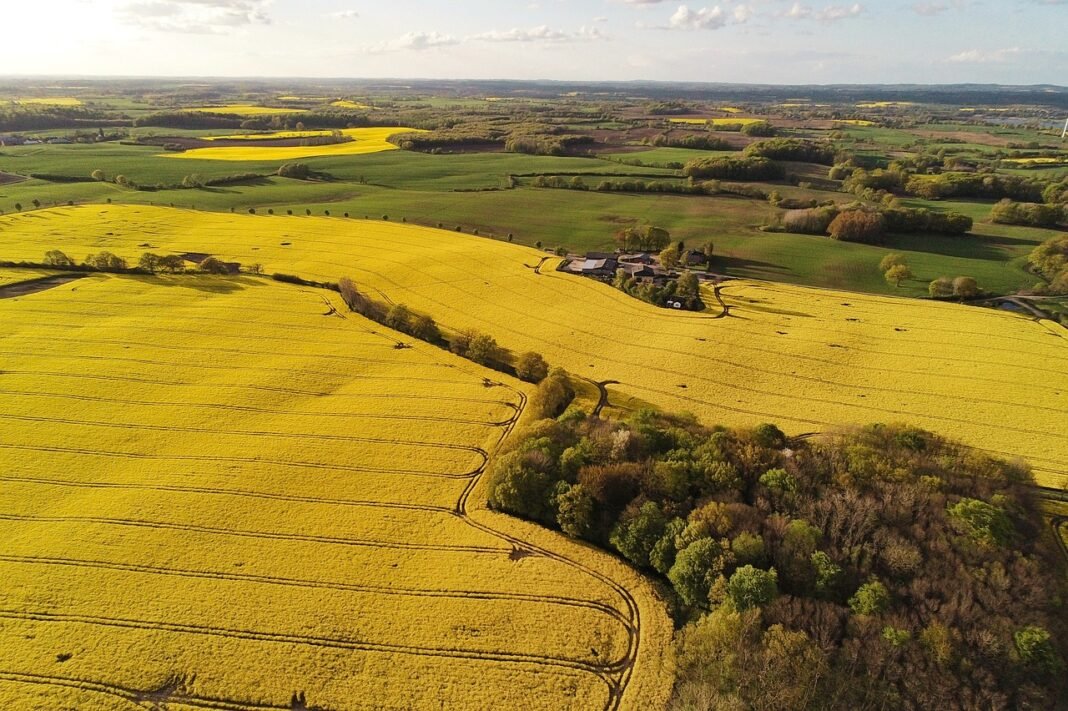
The wolf (Canis lupus) was once a common sight across Europe, including the Netherlands. However, centuries of hunting, habitat loss, and persecution led to its extirpation from much of its former range. In the Netherlands, the last confirmed wolf was shot in 1845. The return of the wolf began in the early 21st century, with individuals dispersing from neighboring Germany and Belgium. This recolonization is a testament to the effectiveness of conservation efforts in surrounding countries and the wolf’s inherent ability to adapt and disperse. The initial arrivals were met with both excitement and apprehension, sparking debates about the potential impact on livestock and the need for effective management strategies. The Dutch landscape, while fragmented, offers suitable habitat, particularly in areas with forests and large game populations.
The Tracking Data: Distance and Determination
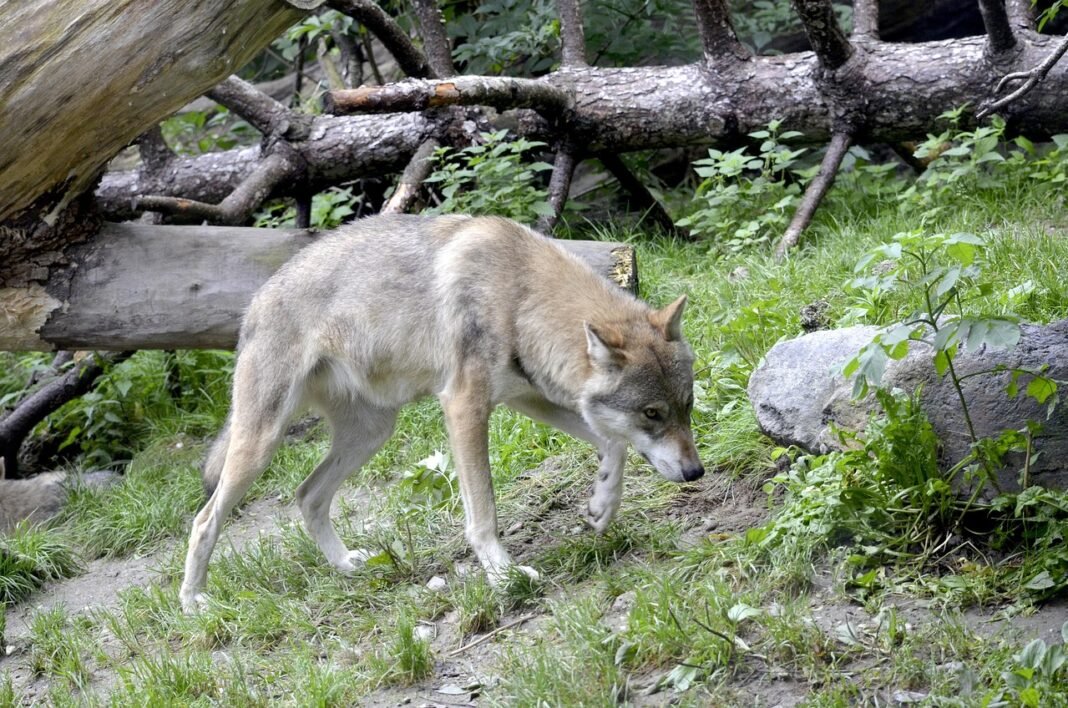
The current study, involving the collaring of five wolves, is providing unprecedented detail about their movements. The data reveals that these animals are not simply establishing territories; they are actively exploring the landscape, seeking mates, and following prey. The wolf that swam across rivers and travelled 30 kilometers in a day demonstrates a remarkable level of physical endurance and navigational skill. This behavior suggests a strong drive to connect with other wolves and expand their range. The tracking data also highlights the importance of landscape connectivity – the ability of wolves to move between different habitat patches without encountering significant barriers. Rivers, highways, and agricultural land can all pose challenges to wolf movement, and understanding these barriers is crucial for effective conservation planning.
Ecological Implications of Wolf Movement
The return of the wolf has significant ecological implications. As an apex predator, the wolf plays a crucial role in regulating prey populations, such as deer and wild boar. This can have cascading effects throughout the ecosystem, influencing vegetation growth, biodiversity, and even the spread of diseases. By controlling herbivore numbers, wolves can reduce grazing pressure on forests, allowing trees to regenerate and creating more diverse habitats. Their presence can also lead to changes in prey behavior, with animals becoming more vigilant and avoiding areas with high wolf activity. These changes can benefit other species, creating a more resilient and balanced ecosystem. The study is also examining the interactions between wolves and other predators, such as foxes and wildcats, to understand how the reintroduction of the wolf is affecting the predator-prey dynamics of the region.
Human-Wildlife Conflict and Management Strategies
The return of the wolf inevitably leads to potential conflicts with humans, particularly livestock farmers. Wolves may prey on sheep, goats, and other domestic animals, causing economic losses and emotional distress. Effective management strategies are essential to minimize these conflicts and ensure the long-term coexistence of humans and wolves. These strategies include preventative measures, such as livestock guarding dogs, electric fences, and improved husbandry practices. Compensation schemes can also help to offset the financial losses incurred by farmers who experience wolf predation. Furthermore, public education and awareness campaigns are crucial to foster a more positive attitude towards wolves and promote responsible behavior. The Dutch government is currently developing a national wolf management plan, which will outline the framework for addressing these challenges.
Future Outlook: Coexistence and Conservation
The future of wolves in the Netherlands depends on our ability to find a balance between conservation and human interests. Continued monitoring of wolf populations, coupled with adaptive management strategies, will be essential. Protecting and restoring habitat connectivity is also crucial, allowing wolves to move freely and maintain genetic diversity. Addressing the underlying causes of human-wildlife conflict, such as inadequate livestock protection, is equally important. Ultimately, the success of wolf conservation will depend on fostering a culture of coexistence, where humans and wolves can share the landscape. The tracking data provides a vital tool for informing these efforts, helping us to understand the needs of wolves and develop effective strategies for their long-term survival.
Key Takeaways
- Wolves are incredibly resilient travelers: The 30km/day journeys, including river swims, show they’re determined to find mates and establish territory. It’s a powerful reminder of their adaptability.
- Ecological impact is huge: Bringing back a top predator like the wolf isn’t just about *that* animal; it reshapes the entire ecosystem, potentially for the better.
- Conflict is inevitable, but manageable: We need to proactively address concerns about livestock and safety, not just react to problems. Smart management is key.
- Data is our friend: Tracking collars aren’t just about knowing *where* wolves are; they’re about understanding *why* they’re there, and using that knowledge to build a future where humans and wolves can coexist.
Dutch Learning Corner
| 🇳🇱 Word | 🗣️ Pronun. | 🇬🇧 Meaning | 📝 Context (NL + EN) |
|---|---|---|---|
| 🐺 Wolf | /ʋɔlf/ | Wolf | De wolf is terug in Nederland. (The wolf is back in the Netherlands.) |
| 🏞️ Landschap | /ˈlɑnsxɑp/ | Landscape | Het Nederlandse landschap is erg divers. (The Dutch landscape is very diverse.) |
| 🌳 Bos | /bɔs/ | Forest | De wolf leeft graag in het bos. (The wolf likes to live in the forest.) |
| 🐾 Spoor | /spɔːr/ | Track | We vonden een wolvenspoor in de sneeuw. (We found a wolf track in the snow.) |
(Swipe left to see more)
Should we prioritize wolf conservation even if it means increased challenges for farmers?
The return of the wolf is a complex issue with no easy answers. While conservationists celebrate its re-establishment as a vital part of the ecosystem, farmers understandably worry about the potential impact on their livelihoods. Finding a solution that balances these competing interests requires open dialogue, innovative management strategies, and a willingness to compromise. What role should the government play in mitigating conflicts, and what responsibilities do farmers have in protecting their livestock? Share your thoughts in the comments below!
Free: Netherlands 2027 Money Checklist
Every deadline and number you need before and after 1 January 2027, on two printable pages. Confirm your email and the PDF is yours; we will also email you when the 2027 figures are confirmed.
 Read nextBusiness & FinanceStarting a Business in the Netherlands as an Expat: KvK, VAT and Your First Website