




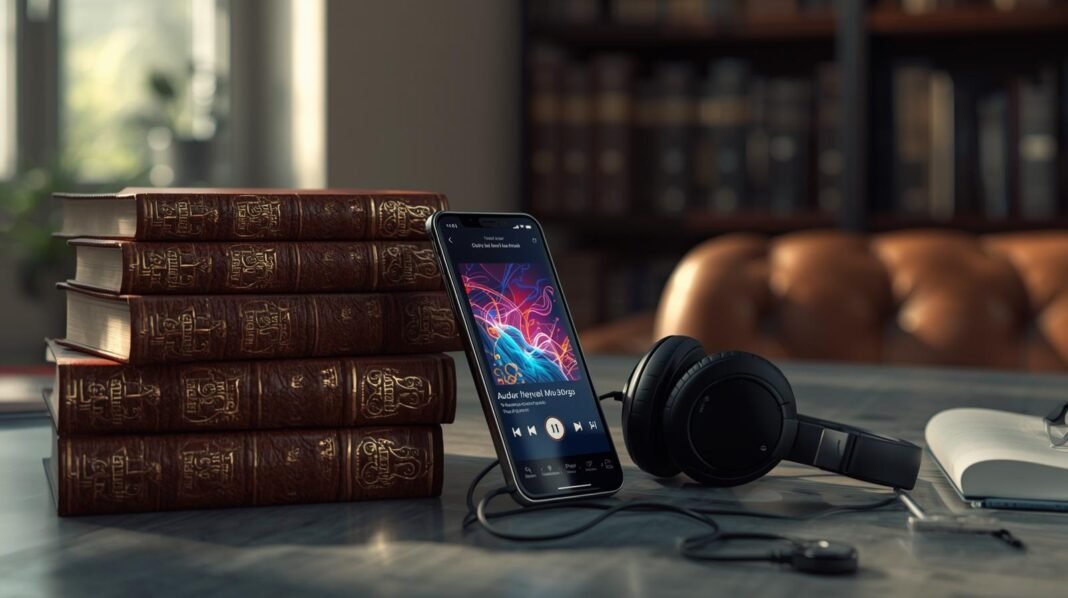
The Digital Shift: Dutch Physical Book Sales Hit 4-Year Low as Subscriptions Surge
Amsterdam – The traditional Dutch bookshelf is undergoing a radical transformation. According to the latest 2025 annual report from the CPNB (Dutch Publishers Association), physical book sales have slumped to 44 million units—the lowest volume recorded in four years. While the headline figure suggests a decline in reading, a deeper look into the data reveals a more complex story: the Dutch are not reading less; they are simply changing how they consume stories.
While brick-and-mortar bookstores saw a 4% dip in foot traffic and sales, the digital realm is booming. Revenue from e-book and audiobook subscriptions has skyrocketed by 36%, now accounting for a dominant 60% of the total digital market turnover. As we enter 2026, the industry faces a pivotal question: can the physical “Boekhandel” survive in an era of unlimited digital streaming?
Table of Contents
- 2025 Sales Overview: By the Numbers
- The Subscription Revolution: 36% Growth
- The BookTok Effect: Why English Books are Rising
- National Library Trends: Digital Borrowing Records
- Historical Context: From 2021 Peaks to 2025 Lows
- Future of the Industry: Adaptation or Consolidation?
- Key Takeaways
- Dutch Learning Corner
- Community CTA
2025 Sales Overview: By the Numbers
The total turnover of the Dutch book market in 2025 stood at €637 million. Although this sounds robust, the volume of 44 million books represents a loss of 2 million units compared to 2024.
The CPNB report, which excludes academic workbooks and mandatory school texts, highlights that nearly every genre faced a decline in physical format. However, fiction and children’s literature showed remarkable resilience, even seeing a tiny uptick in late 2025—largely driven by holiday gift-giving and a surge in “Young Adult” popularity.
The Subscription Revolution: 36% Growth
If physical books are the “old guard,” digital subscriptions are the new conquerors. The 36% revenue surge in services like Kobo Plus and Storytel indicates that Dutch readers increasingly prefer the “Netflix model” over individual purchases.
“We are seeing a fundamental shift in ownership,” noted Publishing Industry Analysts at CPNB. “Readers, especially those under 35, would rather pay a monthly fee for unlimited access than own a single €22 hardback. This is a challenge for authors’ royalties but a massive win for accessibility.”
The BookTok Effect: Why English Books are Rising
One of the few “green” metrics in the report is the continued rise of foreign-language books. English-language sales increased by another 1 percentage point this year.
This is largely attributed to BookTok (the book-centric corner of TikTok). Dutch youth are consuming content from international creators and prefer to read the original English versions of viral hits rather than waiting for the Dutch translation. This trend is forcing local publishers to speed up their translation cycles or risk losing the market entirely to international distributors.
National Library Trends: Digital Borrowing Records
The National Library (KB) reported a 5% increase in digital lending. In 2025, Dutch citizens borrowed 6 million e-books and 2.9 million audiobooks.
This record-breaking digital engagement shows that libraries are successfully reinventing themselves as digital hubs. The “Online Bibliotheek” app has become an essential tool for Dutch commuters, further eroding the need to purchase physical copies for one-time reading.
Historical Context: From 2021 Peaks to 2025 Lows
To understand the 2025 slump, we must look back at 2021. During the pandemic lockdowns, book sales peaked at over 46 million units as people sought home-based entertainment.
The current decline to 44 million is partly a “return to gravity” after the artificial pandemic high. However, unlike previous dips, the 2025 numbers are combined with a higher cost of living, leading Dutch households to prioritize subscription services (which offer higher value for money) over individual luxury purchases like premium hardcovers.
Future of the Industry: Adaptation or Consolidation?
The roadmap for 2026 is clear: adapt or vanish. Independent bookstores are increasingly turning into “cultural community centers,” offering coffee, workshops, and exclusive signings to justify the physical trip.
Publishers are also experimenting with “Digital-First” releases, where a book is released as an audiobook or e-book months before a limited physical run. This reduces the risk of unsold inventory—a growing financial burden in an era of fluctuating paper prices and lower demand.
Key Takeaways
- The Low: Physical book sales dropped to 44 million units, a 4-year low.
- The High: Digital subscription revenue exploded by 36% in 2025.
- Language Shift: English-language books continue to gain market share due to social media trends.
- Library Success: Digital borrowing hit a record 8.9 million total units.
Dutch Learning Corner
| Word (Dutch) | Pronun. (Eng) | Meaning | Context (NL + EN) |
|---|---|---|---|
| 📉 De Daling | De Dah-ling | The Decline | Er is bir daling in de verkoop. (There is a decline in sales.) |
| 📖 De Boekhandel | De Book-han-del | The Bookstore | De lokale boekhandel heeft het moeilijk. (The local bookstore is having a hard time.) |
| 💳 Het Abonnement | Het Ah-bo-nuh-ment | The Subscription | Een abonnement op luisterboeken is populair. (A subscription for audiobooks is popular.) |
| 🎧 Het Luisterboek | Het Loo-ster-book | The Audiobook | Ik luister naar bir luisterboek in de trein. (I listen to an audiobook on the train.) |
Are Paper Books Becoming a Luxury?
As digital subscriptions take over, do you think physical books will eventually become high-priced “collector’s items” only? Are you someone who still visits a local Dutch bookstore, or have you fully transitioned to Kindle and Storytel? Let’s talk about the future of our bookshelves below!
Source / Industry Data: CPNB (Publishers Association) & National Library of the Netherlands (KB).

