



PVV Earthquake: Seven MPs Defect, Stripping Wilders of Opposition Leadership
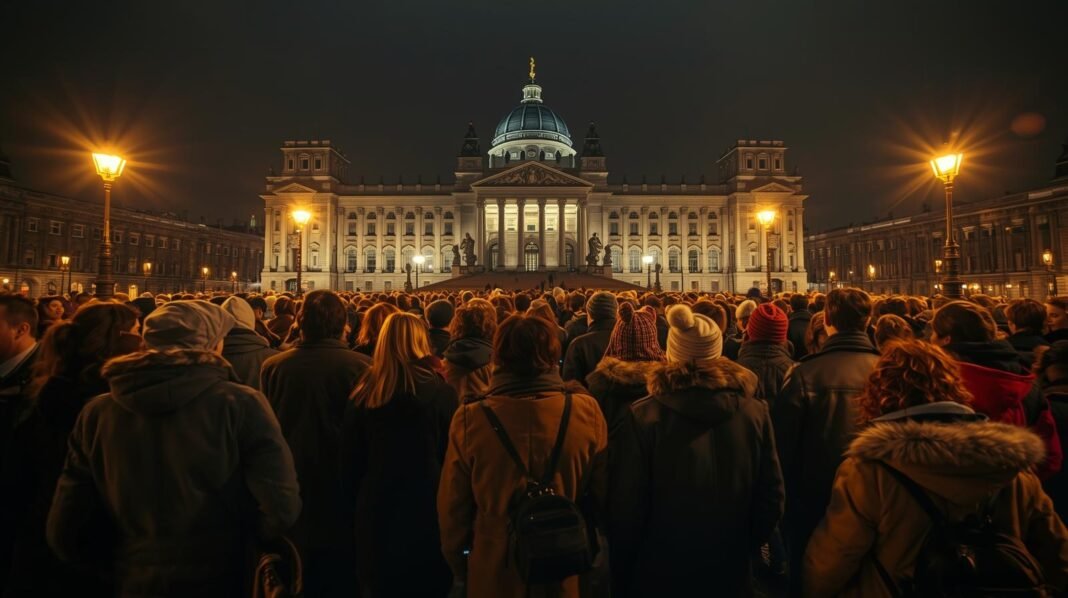
The Hague – The Dutch political landscape was hit by a massive tremor this morning. Geert Wilders’ Party for Freedom (PVV) has fractured, with seven Members of Parliament announcing their immediate resignation from the party faction. This mass defection not only plunges the PVV into its deepest crisis since its 2006 founding but also reshuffles the entire power dynamic in the Tweede Kamer.
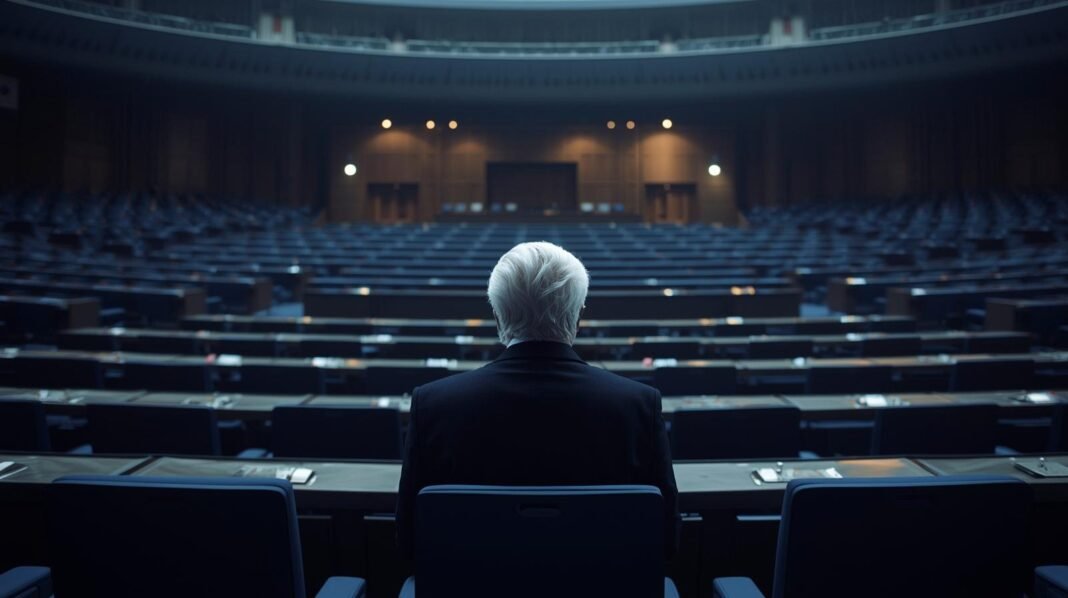
The split, led by prominent figures within the party, reduces the PVV’s parliamentary presence from 26 to 19 seats. In a historic turn of events, this makes the Labour-GreenLeft (GroenLinks–PvdA) alliance, led by Jesse Klaver, the largest opposition force in the country with 20 seats. The “Wilders Era” of undisputed far-right dominance is facing its toughest challenge yet.
Table of Contents
- The Split: Why the “Markuszower Group” Walked Out
- A New Leader: Jesse Klaver Takes the Mantle
- Wilders Unplugged: A “Dark Day” for the PVV
- Coalition Impact: Will the Government Pivot Left?
- Deep Analysis: Ideology vs. Pragmatism
- Key Takeaways
- Dutch Learning Corner
- Community CTA
The Split: Why the “Markuszower Group” Walked Out
The defecting MPs, now operating as an independent faction dubbed the “Markuszower Group,” cited a fundamental breakdown in trust and leadership style.
The Core Grievances:
* Lack of Democracy: The PVV is famously a party with only one official member: Geert Wilders. The defectors argue that this absolute control has stifled debate and led to strategic blunders.
* Declining Polls: Following a period of stagnation in national polls, the group advocated for a more “constructive” approach to governance to attract moderate voters—a plea Wilders reportedly dismissed.
* Isolation: The defectors expressed frustration over Wilders’ increasingly isolated position, which they claim prevents the party from ever forming a stable governing coalition.
A New Leader: Jesse Klaver Takes the Mantle
The math in the Tweede Kamer is unforgiving. By losing seven seats, Wilders has lost his title as the “Leader of the Opposition.”
Jesse Klaver (GroenLinks–PvdA) was quick to react to the news. “I am not saddened by this fragmentation,” Klaver stated in a press briefing. “The right-wing bloc is crumbling under its own weight.”
With 20 seats, Klaver’s alliance now holds more weight in parliamentary debates, particularly regarding the budget and social policies. This shift forces the governing coalition (VVD, D66, CDA) to look towards the left for support on key legislation, potentially softening the government’s stance on climate and migration.
Wilders Unplugged: A “Dark Day” for the PVV
True to his style, Geert Wilders has not signaled a retreat. He described the move as a “Dark Day” but simultaneously slammed the defectors for “betraying the voters.”
Wilders has reiterated that the PVV will not change its hardline stance on Islam or the EU to please “those who lack courage.” However, political veterans note that without these seven MPs, Wilders loses significant funding and speaking time in parliament, making his “one-man show” even harder to maintain in a 2026 political environment.
Coalition Impact: Will the Government Pivot Left?
The Dutch governing coalition—currently a delicate balance of VVD, D66, and CDA—faces a new reality. Previously, they could occasionally rely on “soft” support from the right-wing fringe. Now, with the PVV weakened and a new, untested independent group in the mix, the government’s stability is tied to the left.
If the “Markuszower Group” decides to vote as a bloc, they could become the new “kingmakers,” but their ideological alignment remains unclear. For now, the momentum has swung towards the Labour-GreenLeft alliance, which will likely demand concessions on housing and healthcare in exchange for their support.
Deep Analysis: Ideology vs. Pragmatism
Political analysts suggest this is the natural conclusion of the PVV’s organizational structure.
“Wilders has always prioritized ideological purity over the pragmatism required to actually govern,” explains a leading analyst from the University of Amsterdam. “In a multi-party system like the Netherlands, you eventually have to compromise. These seven MPs wanted a seat at the table; Wilders wanted to keep shouting from the sidelines.”
The question remains: Can a party survive without its founder’s absolute control? Historical precedents like the LPF (Pim Fortuyn’s party) suggest that right-wing factions in the Netherlands often struggle to remain cohesive once the “strongman” leader is challenged.
Key Takeaways
- The Loss: PVV loses 7 MPs, dropping to 19 seats.
- The Shift: GroenLinks–PvdA becomes the largest opposition party (20 seats).
- The Group: The defectors (Markuszower Group) may form a new political party.
- The Future: Geert Wilders remains defiant but is mathematically weakened in parliament.
Dutch Learning Corner
| Word | Pronun. (Eng) | Meaning | Context (NL + EN) |
|---|---|---|---|
| 📉 De Afsplitsing | De Af-split-sing | Splinter group / Defection | De afsplitsing van de PVV was onverwacht. (The defection from the PVV was unexpected.) |
| 🗣️ De Fractie | De Frak-tsee | Parliamentary Group | Zeven leden verlaten de fractie. (Seven members are leaving the parliamentary group.) |
| 🤝 De Samenwerking | De Sa-men-wer-king | Cooperation | Er is geen samenwerking meer mogelijk. (No more cooperation is possible.) |
| ⚖️ De Oppositie | De Op-po-zee-tsee | Opposition | De oppositie is nu sterker dan voorheen. (The opposition is now stronger than before.) |
Is the Wilders Era Over?
With his party splitting and his influence in parliament shrinking, do you think Geert Wilders can ever bounce back? Or is the rise of the “Markuszower Group” the beginning of a new, more moderate far-right in the Netherlands? Share your political predictions below.
Source / Politics: Tweede Kamer & NOS.