




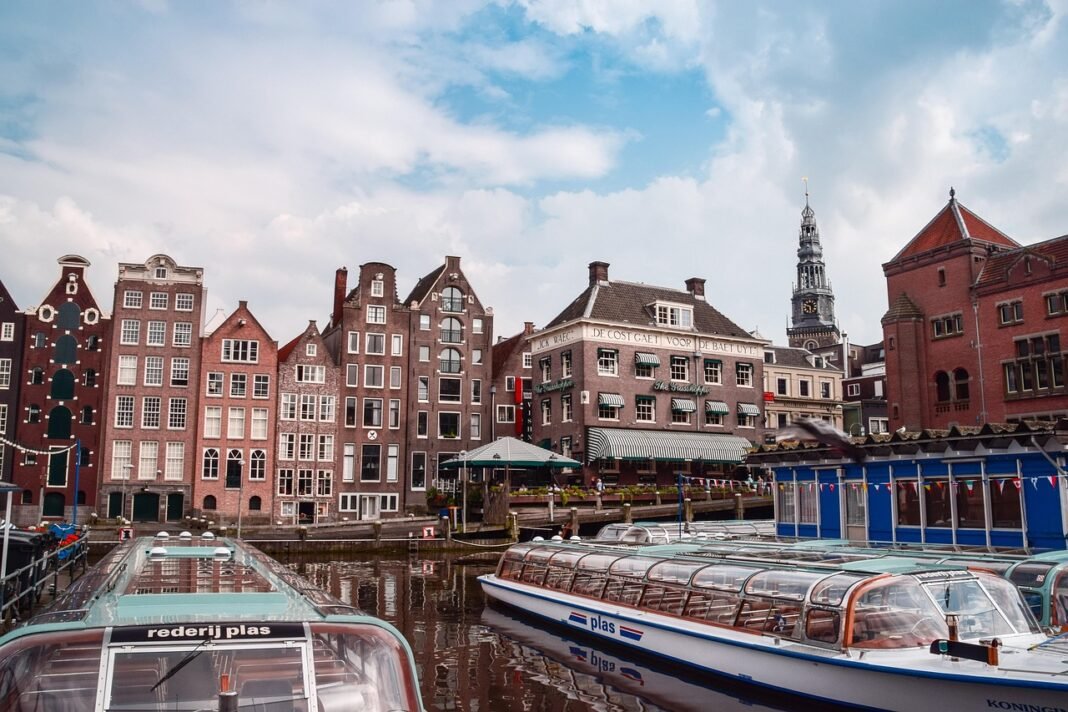
Dutch Housing Market Slows: Landlord Sales Fuel Supply Increase
Amsterdam, Netherlands – The Dutch housing market, while still experiencing price increases, is showing signs of moderation as of September 2025. A surge in properties entering the market, driven by landlords exiting the rental sector due to new fiscal and regulatory pressures, is beginning to temper the relentless price growth seen in recent years. Despite this increased supply, demand remains robust, keeping the market competitive and preventing a significant price correction. The House Price Index for Existing Homes Sold rose 6.99% year-on-year, a deceleration from previous periods, indicating a potential shift in market dynamics. This shift is being closely watched by economists and policymakers alike, as housing affordability remains a critical issue in the Netherlands.
- Housing Market Snapshot
- Historic Perspective
- Demand Highlights
- Supply Highlights
- Rental Market
- Mortgage Market
- Socio-Economic Context
Housing Market Snapshot
As of September 2025, the House Price Index for Existing Homes Sold increased by 6.99% year-on-year, translating to 3.59% in real terms after inflation adjustment. This slowdown is directly linked to the growing number of existing homes available, as investors respond to changes in tax laws and rental regulations by converting rental properties into owner-occupied housing. Despite this influx of supply, the market remains tight due to consistently strong demand. The national average sales price for existing owner-occupied homes reached EUR 487,150 (USD 569,040) in Q3 2025, a 5.13% year-on-year increase. Amsterdam remains the most expensive city, with an average price of EUR 640,338 (USD 747,979), while Rotterdam offers relative affordability at EUR 421,945 (USD 492,874).
Historic Perspective
The Dutch housing market has experienced significant fluctuations over the past decades. The early 2000s saw a period of rapid price appreciation, followed by a substantial correction during the 2008 financial crisis. Recovery was slow but steady, and the market entered another phase of growth in the mid-2010s, fueled by low interest rates and increasing urbanization. The recent surge in prices, beginning around 2020, was particularly pronounced, driven by a combination of factors including limited supply, pandemic-related shifts in housing preferences, and government incentives. However, the current trend of slowing growth suggests a potential return to more sustainable levels.
Demand Highlights
Demand for owner-occupied housing in the Netherlands remains exceptionally high, particularly in and around major cities. Factors driving this demand include a growing population, a strong economy (despite global headwinds), and a cultural preference for homeownership. First-time buyers are a significant segment of the market, although they often face challenges in securing financing and competing with more experienced buyers. The demand is further fueled by international buyers, particularly from neighboring countries and other European nations.
Supply Highlights
The key development in the Dutch housing market is the increasing supply of existing homes. This is primarily due to landlords selling off rental properties in response to stricter regulations and reduced tax benefits. New construction, while increasing, is not keeping pace with demand, and faces challenges related to land availability, permitting processes, and rising construction costs. The government has implemented various initiatives to boost new construction, but their impact is yet to be fully realized. The influx of former rental properties is providing some relief, but the market remains undersupplied overall.
Rental Market
The rental market is facing its own set of challenges. The sale of rental properties by landlords is reducing the availability of rental housing, leading to higher rents and increased competition for available units. Regulations aimed at protecting tenants are also impacting landlords’ willingness to invest in rental properties. The government is exploring options to address the shortage of rental housing, including incentivizing the construction of new rental units and regulating rent increases.
Mortgage Market
Mortgage rates in the Netherlands have been gradually increasing in line with broader European trends. However, they remain relatively low compared to historical levels. The availability of mortgage financing is generally good, but lenders are becoming more cautious in their lending practices, requiring larger down payments and stricter income verification. The government offers various mortgage subsidies and guarantees to help first-time buyers and low-income households access homeownership.
Socio-Economic Context
The Dutch economy is performing relatively well, but faces challenges related to inflation, energy prices, and global economic uncertainty. Unemployment remains low, and wages are rising, but the cost of living is also increasing. Housing affordability is a major concern for many Dutch households, and the government is under pressure to address this issue. Demographic trends, such as an aging population and increasing urbanization, are also shaping the housing market.
Future Implications
The current trend of slowing price growth and increasing supply is likely to continue in the near term. However, the market remains vulnerable to external shocks, such as a recession or a sharp increase in interest rates. The government’s policies regarding rental regulations and new construction will also play a crucial role in shaping the future of the Dutch housing market.
Expert Analysis
“The increase in supply is a welcome development, but it’s not enough to solve the housing shortage,” says Mike Langen, Senior Housing Market Economist at ABN AMRO. “We need to see a significant increase in new construction to meet the long-term demand for housing.” Rabobank analysts concur, noting that without the increased supply, price increases would have been even more dramatic.
Key Takeaways
- The Dutch housing market is cooling, but remains competitive.
- Landlord sales are a key driver of increased supply.
- Affordability remains a significant challenge.
- Government policies will be crucial in shaping the market’s future.
Dutch Learning Corner
| Word | Pronun. | Meaning | Context (NL + EN) |
|---|---|---|---|
| Huis 🏠 | /hœys/ | House | Ik ga naar mijn huis. (I am going to my house.) |
| Kopen 💰 | /ˈkoːpə(n)/ | To buy | Wij willen een nieuw huis kopen. (We want to buy a new house.) |
| Prijzen 📈 | /ˈprɛisə(n)/ | Prices | De prijzen van huizen stijgen nog steeds. (The prices of houses are still rising.) |
(Swipe left to see more)
Is the Dutch Dream of Homeownership Becoming Unreachable for a Generation?
With prices still high despite the slowdown, and affordability a growing concern, is the traditional Dutch aspiration of owning a home slipping away for younger generations? Share your thoughts and experiences in the comments below.
Source: https://www.globalpropertyguide.com/europe/netherlands/price-history

