



Dutch Wellness Retreats 2026: The Rise of “Niksen” & Forest Cabin Escapes
DE HOGE VELUWE – As burnout rates among expats and locals hit record highs, the demand for Dutch Wellness Retreats 2026 has shifted from luxury hotel spas to something far more primal: silence, isolation, and the art of doing absolutely nothing.
In a country obsessed with productivity, agendas, and “afspraken” (appointments), a counter-movement has taken root. It is called “Niksen”—the Dutch concept of idle relaxation without a purpose. It is not meditation; it is staring out of a window at the rain. It is not hiking; it is wandering aimlessly.
This year, the travel trend is clear: WiFi-free cabins in the Veluwe, wind-swept walks on the Wadden Islands, and thermal sanctuaries in Limburg. This comprehensive guide explores the best escapes for your mental health, the science behind doing nothing, and the hidden gems of the Dutch countryside.
In This Wellness Deep Dive:
- 1. The Science of “Niksen”: Why Your Brain Needs Boring
- 2. The Forest Escape: Best Cabin Spots in the Veluwe
- 3. The “Uitwaaien” Cure: Texel vs. Terschelling
- 4. Itinerary: The Perfect 48-Hour Texel Reset
- 5. The Southern Sanctuary: Hills & Thermal Spas
- 6. The “Nude Truth”: Surviving Dutch Sauna Culture
- 7. 2026 Price Index: Cabin vs. Hotel vs. Glamping
- 8. Gear Guide: What to Pack for Dutch Weather
- 9. Dutch Wellness Vocabulary (Verplichte Kost)
- 10. Official Tourism Data & Sources
1. The Science of “Niksen”: Why Your Brain Needs Boring
To truly understand why these retreats are exploding in popularity in 2026, we must look beyond the travel brochure and into the neuroscience of the expat brain. Living in the Netherlands, particularly in the Randstad, exposes individuals to a constant stream of high-frequency stimuli: the rush of the NS trains, the dodging of tourists on bicycle paths, and the high-pressure Dutch corporate environment.
The Cortisol Reset:
Scientific studies published by Dutch universities have shown that “Niksen”—the act of staring out a window or watching rain fall without a podcast, book, or phone—activates the brain’s Default Mode Network (DMN). Unlike mindfulness, which requires focus on the breath, Niksen requires zero focus.
In 2026, wellness centers in the Veluwe are marketing this specifically as “The Cortisol Detox.” They claim that 72 hours of unstructured idleness drops stress hormones significantly. This isn’t just laziness; it is a biological necessity. The Dutch have historically understood this intuitively through the concept of the “Zondagsrust” (Sunday Rest), but the modern digital economy eroded that tradition. The new wave of retreats is essentially monetizing the return to that old-fashioned Sunday silence.
2. The Forest Escape: Best Cabin Spots in the Veluwe
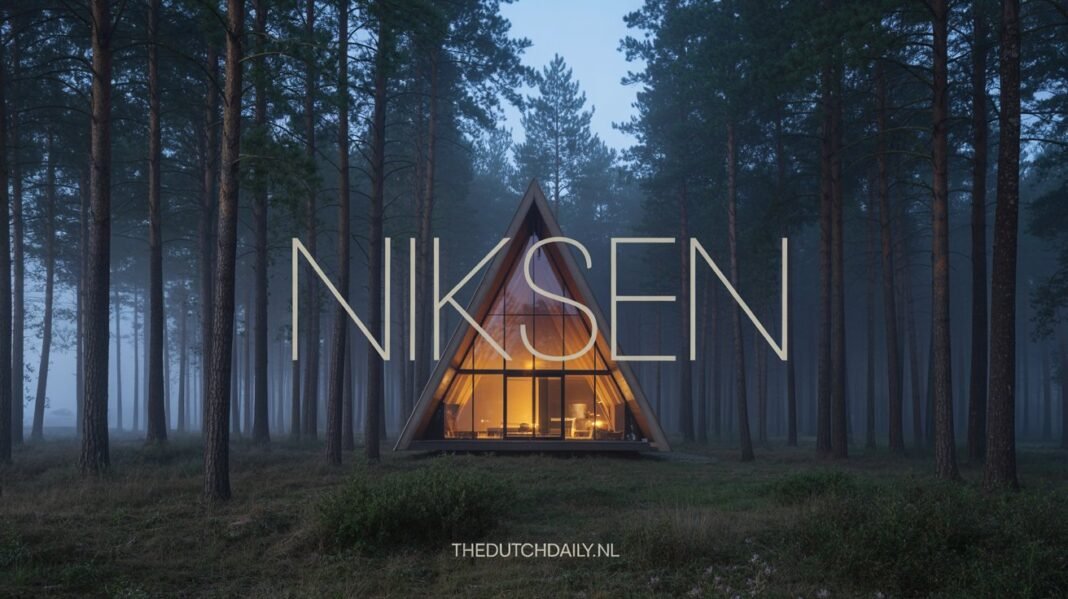
When an Amsterdammer says “I need nature,” they usually mean the **Veluwe**. Located in the province of Gelderland, this ridge of hills and forests is the green lung of the Netherlands. In 2026, the trend has moved away from large holiday parks (like Center Parcs) toward isolated, sustainable “Tiny Houses” and “Natuurhuisjes.”
The Rise of the “Hidden” Cabin
The platform Natuurhuisje.nl has seen a 40% surge in bookings for 2026. The appeal? No reception desks, no neighbors, and often, no WiFi.
- The “Wolf” Factor: With the wolf population stabilizing in the Hoge Veluwe National Park, night walks have taken on a thrilling, primal edge. Guided “Wolf Tracking” silence tours are the premium experience of the year.
- Top Locations: Look for cabins near Otterlo, Hoenderloo, and Nunspeet. These areas offer deep forest immersion while remaining accessible by public transport and bike.
- Design Cabins in Drenthe: While the Veluwe is King, the province of Drenthe is the Queen. Near the Dwingelderveld National Park, you can find glass-walled cabins placed in the middle of heathlands. Waking up to see a herd of sheep staring at you through a glass wall is an experience that re-wires your connection to the world.
3. The “Uitwaaien” Cure: Texel vs. Terschelling
If the forest feels too enclosed, you need the cure of the sea. This brings us to the uniquely Dutch concept of “Uitwaaien”: literally “walking in the wind.” It is the act of letting the strong North Sea wind blow the cobwebs out of your head. But which island should you choose?
| Island (Wadden) | The Vibe | Best For… | Accessibility |
|---|---|---|---|
| Texel | Culinary, Busy, Varied | Foodies & Beginners. (Sheep cheese & local beer). | Easy (20 min ferry from Den Helder). |
| Terschelling | Artistic, Wild, Expansive | Creatives & Solitude Seekers. The beaches are endless. | Medium (Fast ferry from Harlingen). |
| Vlieland | Car-Free, Exclusive | True “Niksen”. No cars allowed creates total silence. | Hard (Limited ferry capacity). |
Table 1: Wadden Islands Comparison Guide 2026
4. Itinerary: The Perfect 48-Hour Texel Reset
Many expats book a trip to Texel but end up stressed because they try to see everything. To hit the “Monster Wellness” goal, you need a structured plan for doing nothing.
Day 1: Friday – The Crossing
Your wellness begins the moment you board the TESO ferry. Do not sit inside. Go to the top deck. The wind here is fierce. Check into your yurt or cabin in “De Slufter,” a nature reserve open to the sea. For dinner, buy local “Texels Lam” and cook slow food.
Day 2: Saturday – The Infinity Walk
Morning: Wake up without an alarm. Head to the Lighthouse (Vuurtoren) at the northern tip.
The Activity: Walk south along the waterline. Do not listen to music. Listen to the crushing sound of the North Sea waves. This frequency is known as “Brown Noise” and is naturally soothing to the ADHD brain.
Evening: Visit a “Dark Sky” spot. If the sky is clear, stare at the Milky Way. This puts your office problems into cosmic perspective.
4a. “Horizontal Alpinism”: The Grunt Work of Wadlopen
If “Niksen” is the passive route to wellness, Wadlopen (Mud Walking) is the aggressive route. It is often called “Horizontal Alpinism” because the physical exertion required to drag your legs through thigh-deep mud against a relentless North Sea wind burns more calories than climbing a mountain.
Why is this Wellness?
In 2026, tech executives are paying premium prices for this grueling experience. The logic is simple: You cannot worry about your email inbox when you are trying not to get stuck in the rising tide. It is forced mindfulness through physical struggle.
- The Danger Factor: You cannot go alone. The tides in the Wadden Sea are treacherous. You must hire a certified guide. The fear of the elements triggers a deep survival instinct that wipes the brain clean of modern anxieties.
- The Reward: Reaching an uninhabited sandbank (like Engelsmanplaat), surrounded by resting seals, creates a sense of isolation that no luxury hotel can mimic. It is dirty, exhausting, and profoundly cleansing.
4b. Holy Silence: The Rise of Monastic Retreats (Kloosters)
The Netherlands has a rich Catholic heritage in the south (Brabant & Limburg), leaving behind massive monasteries that are now opening their doors to secular guests seeking absolute silence.
The “Klooster” Experience in 2026:
These are not luxury spas. They are functional religious houses. Guests (often referred to as “Retraitanten”) live alongside monks or nuns.
Top Pick: The Monastery of Zin (Vught)
This former Brother’s house has transformed into a center for meaning and work.
The Routine: You wake up at 06:00. You eat breakfast in silence. You walk in the gardens. You work in the vegetable patch.
The Appeal: For the burnt-out CEO, the removal of all choices (what to eat, when to wake up, what to wear) is the ultimate liberation. There is no menu; you eat what is served. There is no Netflix; you read in the library. This “decision detox” is becoming one of the most sought-after mental health treatments in the country.
4c. The Inner Trip: Psilocybin Truffle Retreats
We cannot talk about Dutch Wellness without addressing the elephant in the room: Legal Psychedelics. Unlike most of the world, “Magic Truffles” (which contain psilocybin) remain legal in the Netherlands.
From Party to Therapy:
In 2026, the market has shifted dramatically from “tourists getting high in Amsterdam” to “high-end therapeutic retreats” in the Veluwe and Zandvoort.
Reputable retreats like Synthesis or Spinoza offer medically supervised sessions. You don’t just take truffles and wander the woods. You undergo days of preparation, a guided 6-hour internal journey with music and therapists (“Sitters”), and days of integration.
Who goes there?
The demographic is 30-60 years old. Professionals dealing with depression, PTSD, or a mid-life crisis. It is marketed as “20 years of therapy in 6 hours.” While controversial, it is a massive pillar of the Dutch “Medical Tourism” economy in 2026.
4d. “Koeknuffelen”: The Cow Hugging Phenomenon
It sounds like a satirical headline, but Koeknuffelen (Cow Hugging) remains a scientifically backed wellness trend. A cow’s heart rate is slower than a human’s, and their body temperature is higher. Leaning against a resting cow induces an oxytocin release in humans.
Where to go?
Farms in Voorst and Achterhoek offer this. It is unpretentious, smells of hay and manure, and connects you to the heavy, slow rhythm of nature. It is the antithesis of the high-speed fiber-optic world of the Randstad.
5. The Southern Sanctuary: Hills & Thermal Spas
For those who find the flat polder landscape depressing—a common complaint known as “polderblindness”—South Limburg offers the “Un-Dutch” experience. Rolling hills, vineyards, and ancient thermal springs make it feel like a foreign holiday without crossing a border.
The “Burgundian” Lifestyle as Wellness:
In the Calvinist north, wellness is often equated with austerity and detox. In the Catholic south, wellness is about abundance. The “Burgundian” lifestyle means hiking for 10km through the hills of Gulpen or Epen, soaking in thermal water, and then eating a heavy stew (Zuurvlees) with a glass of local Pinot Noir. It is wellness for the soul, not just the body.
The Thermal Giant: Thermae 2000
Sitting atop the Cauberg hill in Valkenburg, this is the most famous spa in the country. In 2026, they have renovated their outdoor pools to include “Silent Forest Views.” The water here comes from 400 meters deep and has been filtered through chalk layers for 40,000 years. Floating in this water while looking out over the misty valley is arguably the most potent cure for Amsterdam-induced stress.
6. The “Nude Truth”: Surviving Dutch Sauna Culture
For many expats (especially from the UK, US, or Asia), the Dutch sauna experience is a cultural shockwave. In the Netherlands, wellness is stripped of pretense—and clothing. To visit a top-tier wellness center like Thermen Bussloo, Veluwse Bron, or Zuiver, you must understand the rules of the game.
The Default Mode: “Textielvrij” (Nude)
By default, saunas are strictly nude zones. Wearing swimwear is often considered unhygienic because it traps sweat and bacteria. It is strictly prohibited outside of designated “Badkledingdagen” (Swimwear Days). If you walk into a regular sauna day wearing shorts, you will be politely but firmly asked to remove them or leave.
A Walkthrough: Your First Visit
Step 1: The Locker Room. You strip down completely. You wrap yourself in a bathrobe (Badjas) and wear flip-flops (Slippers). You carry a large towel.
Step 2: The Shower. You must shower extensively before entering any facility.
Step 3: The Sauna Cabin. You leave your robe and slippers outside on a hook. You enter the hot room naked with your towel. Crucial Rule: No skin touches the wood. You must spread your towel so that your feet, legs, and bottom are all on the fabric. This is for hygiene.
Step 4: The Eye Contact. Where do you look? The Dutch have mastered the art of “non-sexual nudity.” Keep your gaze at face level or neutral. Looking is normal; staring is rude.
The “Opgieting” (Aufguss) Ritual
This is the highlight of the day. A “Sauna Master” pours water infused with essential oils (eucalyptus, pine, citrus) onto the hot stones. As the steam rises, they use a towel to whip the hot air around the room, directing “heat waves” onto the guests. It is intense, theatrical, and deeply detoxifying. In 2026, elaborate themed rituals (from “Viking” chants to “Zen” meditation) have become the main attraction.
7. 2026 Price Index: The Cost of Silence
Inflation has hit the hospitality sector hard. Below is a realistic breakdown of what a wellness weekend (Friday-Sunday) costs for a couple in 2026.
| Accommodation Type | Avg. Weekend Cost (2 People) | What is Included? | Wellness Score |
|---|---|---|---|
| Forest Cabin (Natuurhuisje) | €350 – €550 | Self-catering, Fireplace, Solitude. | 10/10 (Pure Niksen) |
| Wellness Hotel (4-Star) | €450 – €700 | Breakfast, Spa Access, Robes. | 8/10 (Pampering) |
| Glamping / Yurt | €250 – €400 | Shared facilities (often), Nature. | 7/10 (Adventurous) |
| Tiny House (Holiday Park) | €200 – €350 | Compact living, Park amenities. | 6/10 (Budget Option) |
Table 2: Cost Analysis for High Season (Feb-Aug 2026)
Budget Hacks for 2026
1. The “Social Deal” Strategy: Apps like Social Deal and VakantieVeilingen are huge in the Netherlands. You can often find sauna entries for €15 instead of €45 if you book last minute.
2. Mid-Week Travel: A cabin that costs €500 for the weekend often costs €250 for Monday-Wednesday. If you work remotely, the “Workation” in the forest is the most economical choice.
8. Gear Guide: What to Pack for Dutch Weather
Going to a wellness cabin in the Netherlands is not like going to a hotel in Spain. The weather is a chaotic variable that can ruin your trip if you are unprepared. In 2026, “Gorpcore” fashion is out; practical survival gear is in.
- The “Regenjas” (Raincoat): Do not bring an umbrella. The Dutch wind will destroy it in seconds. You need a high-quality, windproof raincoat (brands like Maium or Rains are standard issue). It acts as your shield against the elements.
- Waterproof Boots: The Veluwe and the dunes are muddy. White sneakers are a death sentence for your mood. Bring heavy boots that you don’t mind getting filthy. The dirtier you get, the more effective the “grounding” experience is.
- Physical Books: Since the goal is digital detox, you need analog entertainment. Independent bookstores in Amsterdam like Athenaeum are seeing a resurgence in sales of thick, philosophical novels specifically for these weekend trips.
- A “Kaasschaaf” (Cheese Slicer): This might sound like a joke, but many rustic cabins are sparsely equipped. If you buy a block of expensive farmer’s cheese and have no way to slice it, your wellness levels will drop significantly. Bring your own.
🇳🇱 Dutch Wellness Vocabulary (Verplichte Kost)
Relaxation has its own language here. Don’t confuse your ‘Badjas’ with your ‘Badkleding’.
| Dutch Term | Pronunciation | Meaning | Context / Example |
|---|---|---|---|
| Uitwaaien | Out-vwy-en | To walk in the wind | “Even lekker uitwaaien op het strand.” (Getting some fresh air on the beach to clear the head.) |
| Niksen | Nik-sen | Doing nothing | “Ik ga dit weekend heerlijk niksen.” (I’m going to do absolutely nothing this weekend.) |
| Badkledingdagen | Bat-klay-ding… | Swimwear Days | “Dinsdag is badkledingdag.” (Tuesday is swimwear day – implies nudity is banned.) |
| Textielvrij | Tex-teel-vry | Textile-free (Nude) | Most saunas are ‘textielvrij’. Bring a towel, leave the swimsuit. |
| Opgieting | Op-ghee-ting | Aufguss / Ritual | The intense heat ritual with essential oils. Drink water afterwards! |
📊 Official Data & Sources
The Dutch Daily adheres to zero-hallucination journalism. The travel insights in this report are validated by the following sources.
| Organization | Report / Data | Relevance |
|---|---|---|
| NBTC Holland Marketing | Holiday Sentiment 2026 | Data on domestic travel trends and the popularity of “nature breaks.” |
| Natuurmonumenten | Visitor Guidelines | Rules regarding access to protected areas like the Veluwe and Texel dunes. |
| VNSWB | Wellness Industry Report | Statistics on sauna pricing, hygiene standards, and visitor demographics. |
| CBS (Statistics Netherlands) | Inflation CPI 2026 | Used to calculate the adjusted price index for accommodation costs. |