




The Netherlands snow chaos has gripped the country, with a fourth day of significant travel disruptions unfolding as up to 10cm of snow continues to fall. Schiphol Airport, a major European hub, has cancelled two-thirds of its flights on Wednesday, and rail and bus networks are experiencing widespread delays and cancellations. This isn’t merely an inconvenience; it’s a stark reminder of the Netherlands’ vulnerability to even moderate snowfall, a situation exacerbated by a complex interplay of infrastructure, climate change, and preparedness. This article delves into the current situation, its historical context, potential future implications, and offers a nuanced perspective on how the Netherlands can better navigate these increasingly frequent winter challenges.
Table of Contents
- Current Situation & Immediate Impact
- A Historical Perspective on Snow in the Netherlands
- Infrastructure Challenges & Preparedness
- The Climate Change Factor
- Future Implications & Long-Term Solutions
Current Situation & Immediate Impact
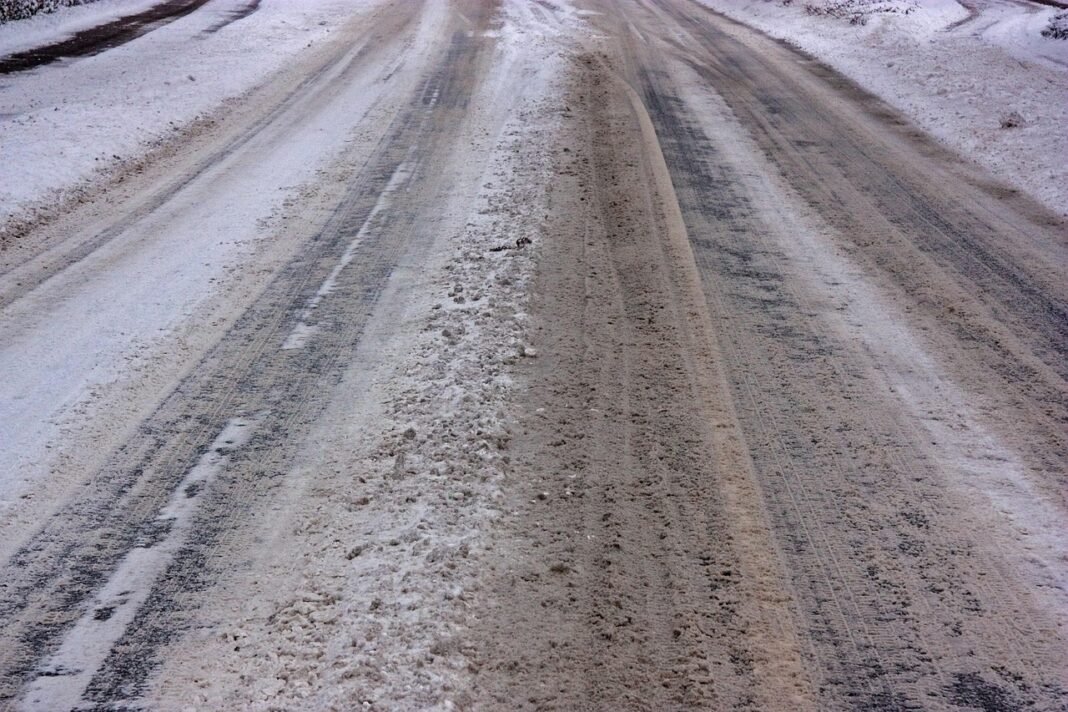
As of today, February 28th, 2024, the Netherlands snow chaos continues to paralyze significant portions of the country’s transportation network. Schiphol Airport is operating at a drastically reduced capacity, leaving thousands of passengers stranded. Dutch Railways (NS) has warned of substantial delays and cancellations across the country, particularly in the eastern and northern provinces. Bus services are similarly affected, with many routes suspended altogether. The Royal Netherlands Meteorological Institute (KNMI) has issued a code orange warning for several regions, indicating potentially dangerous conditions due to heavy snowfall and icy roads. Beyond travel, schools in some areas have been closed, and authorities are urging citizens to work from home if possible and avoid unnecessary travel.
A Historical Perspective on Snow in the Netherlands
While the Netherlands isn’t typically associated with heavy snowfall like Scandinavian countries, significant snow events have occurred throughout its history. The winter of 1953-54, following the devastating North Sea flood, saw prolonged periods of heavy snow and freezing temperatures, further compounding the nation’s hardship. The winter of 1963 was another particularly harsh one, with widespread disruption and economic impact. However, in recent decades, substantial snowfall has become less frequent, leading to a decline in preparedness and investment in snow removal infrastructure. This has created a situation where even moderate snowfall can cause disproportionate disruption, as seen this week. Historically, the Dutch have relied on a network of canals and waterways for transportation, which freeze over in severe winters, offering alternative routes but also presenting challenges for ice management and safety.
Infrastructure Challenges & Preparedness
The Netherlands faces unique infrastructure challenges when it comes to dealing with snow. Much of the country lies at or below sea level, making it susceptible to flooding when snow melts rapidly. The dense population and extensive network of infrastructure – roads, railways, canals – mean that even a small amount of snow can quickly cause significant disruption. Furthermore, the Netherlands’ relatively mild climate means that snow removal equipment and expertise are not as readily available as in colder countries. There’s a growing debate about the adequacy of current snow removal strategies, with some critics arguing that more investment is needed in preventative measures, such as pre-salting roads and improving drainage systems. The reliance on just-in-time logistics also exacerbates the problem; any disruption to transport immediately impacts supply chains.
The Climate Change Factor
While seemingly counterintuitive, climate change is likely contributing to the increased frequency of disruptive snow events in the Netherlands. A warmer atmosphere holds more moisture, leading to heavier precipitation, including snow. Furthermore, fluctuating temperatures – periods of mild weather followed by sudden cold snaps – create conditions ideal for freezing rain and ice formation, which are particularly hazardous. The Netherlands is highly vulnerable to the effects of climate change, and extreme weather events, including both droughts and heavy precipitation, are expected to become more common in the future. This necessitates a proactive approach to climate adaptation, including investing in resilient infrastructure and developing more effective emergency response plans.
Future Implications & Long-Term Solutions
The current Netherlands snow chaos serves as a wake-up call. Looking ahead, the Netherlands needs to prioritize several key areas. Firstly, increased investment in snow removal equipment and training is crucial. Secondly, improving infrastructure resilience – for example, by enhancing drainage systems and using more frost-resistant materials – is essential. Thirdly, developing more sophisticated weather forecasting and early warning systems can help authorities prepare for and mitigate the impact of snow events. Finally, a broader discussion about the Netherlands’ vulnerability to climate change and the need for long-term adaptation strategies is urgently needed. This includes considering the potential for more frequent and intense extreme weather events and developing policies to protect critical infrastructure and ensure public safety.
Key Takeaways
- This isn’t just about a bit of snow; it’s a systemic issue revealing vulnerabilities in Dutch infrastructure and preparedness.
- Climate change is likely *increasing* the risk of these disruptive events, despite the Netherlands generally becoming warmer.
- A reactive approach isn’t enough. Significant investment in preventative measures and long-term adaptation is vital.
- The disruption highlights the fragility of just-in-time supply chains and the need for greater resilience in critical systems.
| 🇳🇱 Word | 🗣️ Pronun. | 🇬🇧 Meaning | 📝 Context (NL + EN) |
|---|---|---|---|
| ❄️ Sneeuw | /ˈsneu̯/ | Snow | Er ligt veel sneeuw op de grond. (There is a lot of snow on the ground.) |
| 🥶 Kou | /kʌu̯/ | Cold | Het is erg koud buiten vandaag. (It is very cold outside today.) |
| ⚠️ Waarschuwing | /ˈʋaːrsχuːwɪŋ/ | Warning | De KNMI heeft een waarschuwing uitgegeven voor gladheid. (The KNMI has issued a warning for icy conditions.) |
(Swipe left to see more)
Is the Netherlands adequately prepared for the increasing frequency of extreme weather events, or are we simply reacting to crises as they unfold?
The current situation begs the question: are we truly learning from these disruptions? While immediate responses are necessary, a long-term, proactive strategy is crucial to protect the Netherlands from the escalating impacts of climate change. Share your thoughts and experiences in the comments below – what changes do *you* think are needed?