




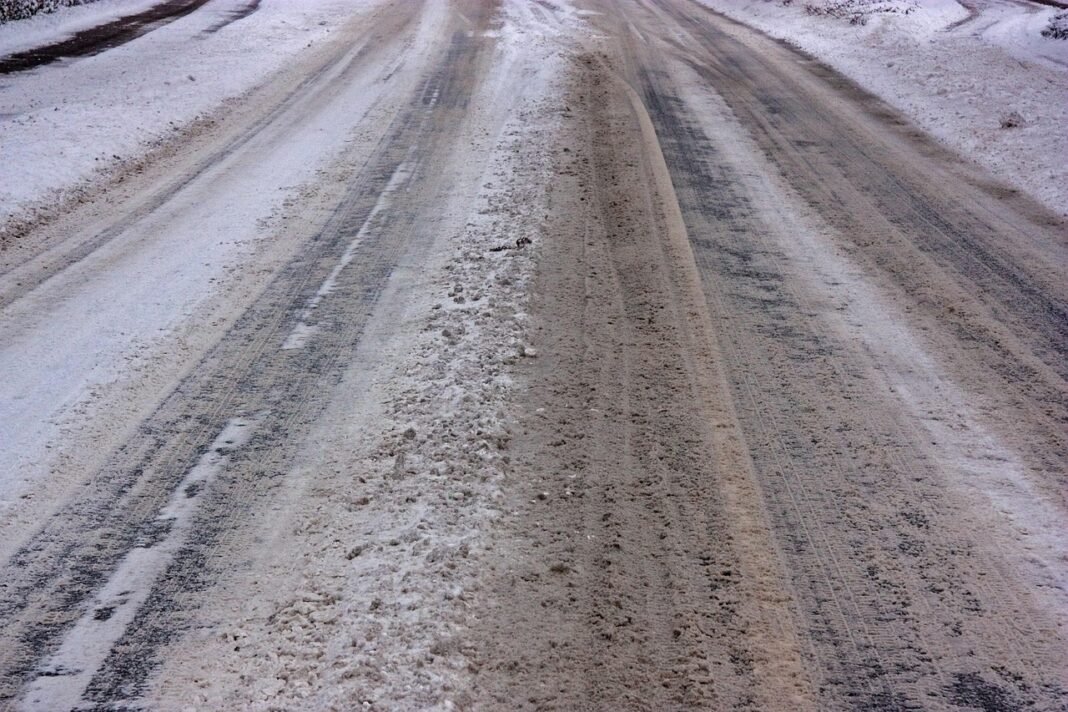
The Netherlands is bracing for a potentially disruptive winter as reports emerge of dwindling road salt supplies in several municipalities. From Heiloo to Bergen and Leiderdorp, local authorities are warning of possible limitations in their ability to keep roads clear during icy conditions, leading to event cancellations and growing concerns about public safety. This road salt shortage isn’t merely a logistical hiccup; it’s a symptom of broader issues surrounding supply chain vulnerabilities, climate change adaptation, and the increasing demands placed on local infrastructure.
Table of Contents
- A Historical Perspective on Salt Usage
- The Root Causes of the Current Shortage
- Immediate Impacts and Event Cancellations
- Potential Solutions and Long-Term Strategies
- Future Implications and Climate Change
A Historical Perspective on Salt Usage
The use of salt for de-icing isn’t a modern invention. Historically, salt has been a valuable commodity, crucial for preserving food and, surprisingly, for maintaining pathways. The Romans used salt extensively for road maintenance, recognizing its ability to prevent ice formation. In the Netherlands, while not as historically prominent as in some other European nations due to the milder climate, salt’s use in winter maintenance began to increase significantly in the 20th century with the rise of automobile traffic. Initially, quantities were relatively small, but as car ownership soared and road networks expanded, so did the demand for de-icing salt. The post-war economic boom and the subsequent increase in infrastructure development cemented salt’s role as a winter necessity. However, the scale of current demand far exceeds anything seen in previous decades.
The Root Causes of the Current Shortage
Several factors are converging to create the current road salt shortage. Firstly, global supply chain disruptions, exacerbated by geopolitical events like the war in Ukraine, have impacted the production and transportation of salt. Many municipalities rely on salt sourced from mines in Germany and Spain, and logistical bottlenecks are delaying deliveries. Secondly, increased demand from neighboring countries facing similar winter conditions is putting further strain on available supplies. A particularly harsh winter across Europe last year depleted reserves, and restocking efforts have been hampered by the aforementioned logistical issues. Finally, a lack of strategic stockpiling by some municipalities, coupled with a reliance on ‘just-in-time’ delivery systems, has left them vulnerable to these disruptions. Some experts also point to increased regulations regarding salt usage due to environmental concerns as a contributing factor, as municipalities may be hesitant to order large quantities.
Immediate Impacts and Event Cancellations
The immediate consequences of the salt shortage are already being felt. Municipalities like Heiloo, Bergen, and Leiderdorp have issued warnings about potential road closures and limitations on snow removal services. This has led to the cancellation of several local events, including winter markets and outdoor sporting activities. The impact extends beyond inconvenience; it raises serious safety concerns, particularly for vulnerable road users like cyclists and pedestrians. Emergency services may also face delays in reaching those in need. The economic impact, while difficult to quantify, could be significant, affecting local businesses and tourism. Furthermore, the situation is creating a sense of anxiety among residents, who are accustomed to well-maintained roads during winter months.
Potential Solutions and Long-Term Strategies
Addressing the road salt shortage requires a multi-pronged approach. In the short term, municipalities need to explore alternative de-icing agents, such as magnesium chloride or calcium chloride, although these are often more expensive and may have different environmental impacts. Improved coordination between municipalities to share resources and prioritize critical routes is also essential. Longer-term strategies should focus on building more resilient supply chains, diversifying sourcing options, and increasing strategic stockpiling. Investing in alternative winter maintenance technologies, such as heated pavements or improved drainage systems, could also reduce reliance on salt. Furthermore, promoting the use of winter tires and encouraging responsible driving behavior during icy conditions can help mitigate the risks.
Future Implications and Climate Change
The current crisis serves as a stark reminder of the vulnerabilities of our infrastructure in the face of climate change. While the Netherlands is known for its water management expertise, winter maintenance is often overlooked. As climate change leads to more frequent and intense winter storms, the demand for de-icing agents is likely to increase. However, the environmental impacts of salt usage – including water pollution and damage to vegetation – are also a growing concern. Finding a sustainable balance between ensuring public safety and protecting the environment will be a major challenge in the years to come. The Netherlands needs to invest in research and development to identify innovative and environmentally friendly winter maintenance solutions. This includes exploring the use of bio-based de-icing agents and developing more sophisticated weather forecasting models to optimize salt application.
Key Takeaways
- This isn’t just about a cold winter; it’s a wake-up call about how fragile our supply chains are, even for something as seemingly basic as road salt.
- Municipalities need to move beyond ‘just-in-time’ thinking and build up strategic reserves – a little foresight can save a lot of headaches (and cancelled events!).
- We need to start seriously considering the environmental impact of our winter maintenance practices and invest in more sustainable solutions.
| 🇳🇱 Word | 🗣️ Pronun. | 🇬🇧 Meaning | 📝 Context (NL + EN) |
|---|---|---|---|
| ❄️ Sneeuw | /sneu/ | Snow | De sneeuw valt zachtjes naar beneden. (The snow is falling softly.) |
| 🧊 IJs | /iːs/ | Ice | Wees voorzichtig, het is glad door het ijs. (Be careful, it’s slippery because of the ice.) |
| 🧂 Zout | /zaut/ | Salt | De gemeente strooit zout op de wegen. (The municipality spreads salt on the roads.) |
(Swipe left to see more)
Is the Netherlands adequately prepared for the increasing challenges of winter weather in a changing climate?
This salt shortage is a symptom of a larger problem: a lack of proactive planning for the impacts of climate change. Are we doing enough to invest in resilient infrastructure and sustainable winter maintenance practices? Share your thoughts in the comments below!

