



The Hague – The Dutch caretaker government has officially reversed course on plans to implement a strict national handling fee on parcels arriving from outside the European Union. The move, confirmed this Wednesday, halts a proposed levy that would have added significant costs to international shipments. Instead, the Netherlands will align with the upcoming European Union customs reform, sparing consumers from a “double” administrative burden just months before EU-wide rules take effect.
Table of Contents
- The News in Detail: Why the U-Turn?
- Deep Analysis: The “Temu Effect”
- Expert Analysis
- Key Takeaways
- Dutch Learning Corner
- Community CTA
The News in Detail: Why the U-Turn?
The Dutch government’s initial proposal was designed to fund stricter customs checks on the flood of small parcels entering the country. Estimates suggested that up to 65% of small parcels entering the EU are undervalued to avoid import duties. The plan was to charge a handling fee on every non-EU package.
However, the landscape shifted when the European Union accelerated its own plans. The EU is set to introduce a standardized customs reform, including a potential levy on parcels, slated to begin around July 2026 (pending final ratification). The Council of State advised the Dutch government that implementing a national system just months before an EU override would be inefficient and legally complex. Consequently, the national plan has been scrapped to wait for the Brussels directive.
Deep Analysis: The “Temu Effect”
The core of this debate is the explosion of direct-to-consumer e-commerce from Asia. Giants like Temu, Shein, and AliExpress send millions of small packages daily. Currently, parcels valued under €150 are exempt from customs duties—a loophole that the EU aims to close.
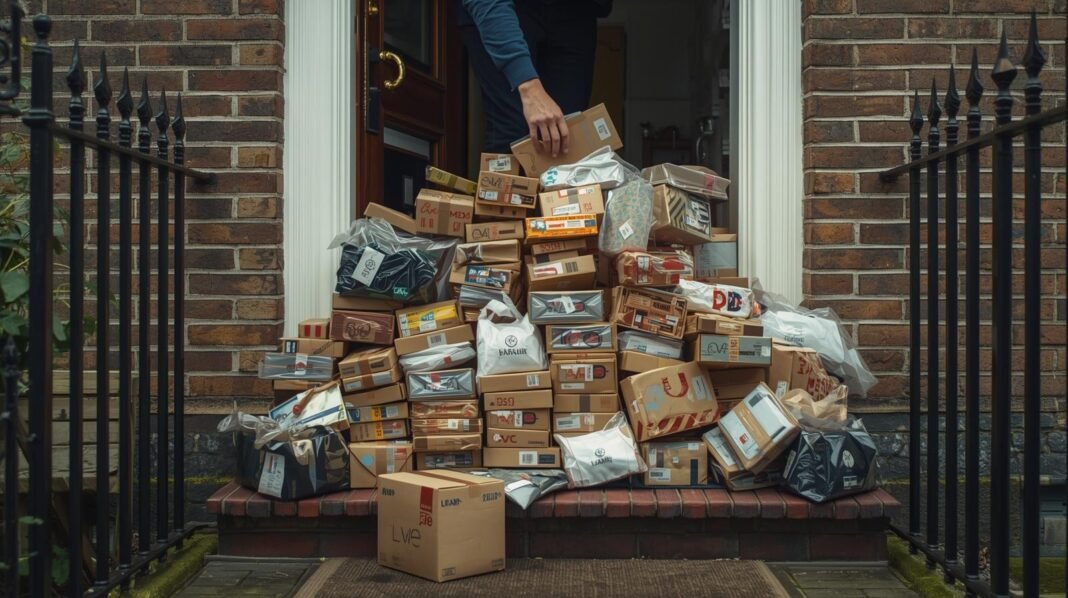
Approximately one million such parcels enter the Netherlands every single day. The sheer volume has overwhelmed traditional customs enforcement. While the Dutch government initially wanted to act fast to protect domestic retailers (like Bol.com and Coolblue), the harmonized EU approach prevents “customs shopping,” where sellers would simply route packages through the EU country with the laxest fees.
Expert Analysis
Trade Policy Analysts from the University of Amsterdam suggest this is a pragmatic decision. “A fragmented approach with individual member states imposing their own levies would have created a logistical nightmare,” experts note. “The Dutch government recognized that acting unilaterally would have put Dutch logistics companies at a competitive disadvantage compared to neighbors like Belgium or Germany. Waiting for the EU ‘Customs Data Hub’ system is the sensible path.”
Key Takeaways
- The Decision: Netherlands drops the national parcel fee plan to align with the EU.
- The Target: Non-EU parcels under €150 (mostly from Chinese e-commerce).
- The Timeline: EU-wide customs reforms are expected to kick in by mid-2026.
- The Impact: Consumers avoid extra fees for now, but stricter EU checks are coming.
Dutch Learning Corner
| Word | Pronun. (Eng) | Meaning | Context (NL + EN) |
|---|---|---|---|
| 📦 Het Pakket | Het Pak-ket | The Package | Ik heb een pakket uit China besteld. (I ordered a package from China.) |
| 👮 De Douane | De Du-wa-ne | Customs | De douane controleert de zending. (Customs checks the shipment.) |
| 💰 De Heffing | De Hef-fing | Levy / Tax | Er komt geen extra heffing. (There will be no extra levy.) |
| 💶 Invoerrechten | In-voor-rekh-ten | Import Duties | Je hoeft geen invoerrechten te betalen. (You don’t have to pay import duties.) |
Is Cheap Shopping Worth It?
The EU wants to stop cheap parcels from flooding the market to protect local businesses. Do you think this is fair, or will you keep buying from Asia regardless of the extra fees? Let us know in the comments!