



Underwater Chess: A Dutch Domination and the Future of the Game
Chess, a game celebrated for its intellectual rigor and strategic depth, has found a uniquely challenging and captivating new arena: underwater. On December 29th, Groningen, Netherlands, hosted the World Diving Chess Championships, where players traded oxygen for opportunity, and the pressure wasn’t just on the clock. This year’s event wasn’t just a competition; it was a statement – a Dutch statement, as home players swept both the men’s and women’s titles. Underwater chess is pushing the boundaries of the game, demanding not only brilliant calculation but also incredible physical and mental fortitude.
Table of Contents
- A Brief History of Underwater Chess
- Groningen 2025: A Dutch Triumph
- The Unique Challenges of Underwater Play
- The Future of Underwater Chess
- Key Takeaways
- Dutch Learning Corner
A Brief History of Underwater Chess
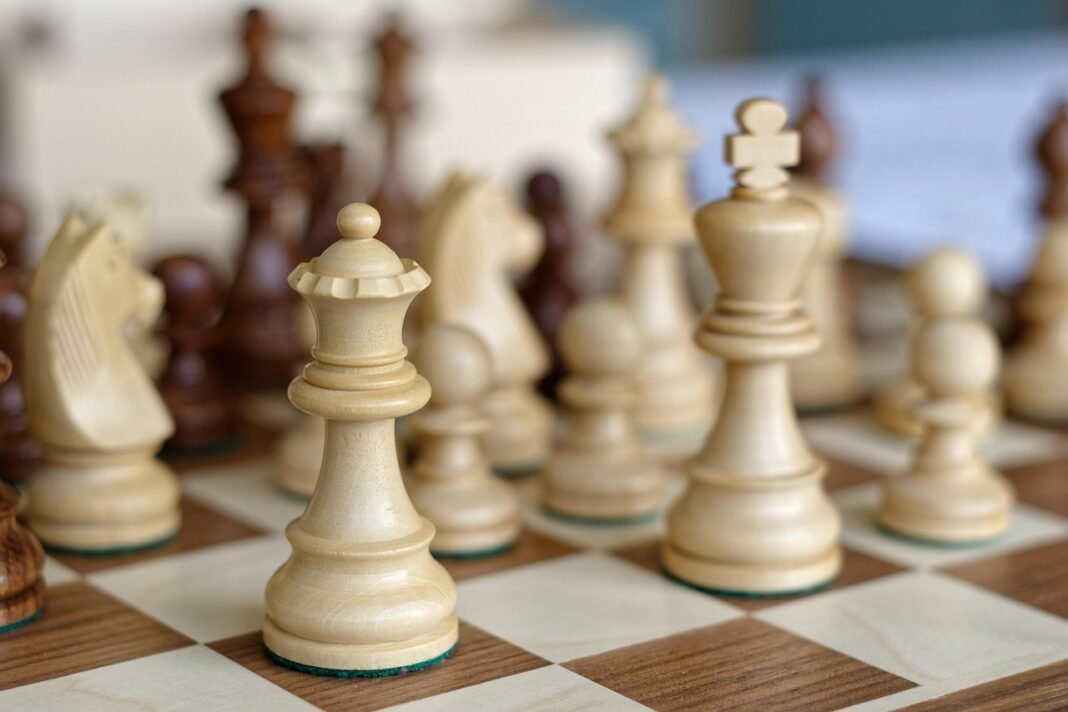
The origins of underwater chess are surprisingly rooted in a British obsession. In 2002, English chess enthusiast Marcus Lindstrom conceived of the idea as a way to add a new dimension to the game. The initial attempts were, predictably, rudimentary. Early boards were often unstable, and the rules were still being refined. However, the concept quickly gained traction, attracting a small but dedicated following. The first official World Underwater Chess Championship was held in 2008, and the sport has slowly but steadily grown in popularity since then. The development of custom-made magnetic chessboards, designed to remain stable underwater, was a crucial step in the evolution of the game. These boards, typically made of stainless steel and featuring magnetic pieces, allow for clear visibility and prevent pieces from floating away.
Groningen 2025: A Dutch Triumph
The 2025 World Diving Chess Championships in Groningen marked a significant milestone for the sport. Billed as the largest event to date, it drew competitors from around the globe. The Dutch team, however, proved to be the dominant force. FIDE Master Zyon Kollen secured the men’s title with a flawless performance leading into the final round, clinching victory with a strategic draw. The victory was particularly sweet for Kollen, who had been a consistent contender in previous championships. On the women’s side, 17-year-old Josephine Damen emerged as the champion, showcasing the rising talent within the Dutch underwater chess community. Damen’s win was a breakthrough moment, demonstrating the potential for young players to excel in this demanding discipline. The atmosphere in Groningen was electric, with local fans celebrating the Dutch successes with a fervor usually reserved for football victories.
The Unique Challenges of Underwater Play
Underwater chess isn’t simply chess played in a different environment; it’s a fundamentally different game. The most obvious challenge is, of course, the limited oxygen supply. Players must carefully balance their time spent underwater with the need to surface for air. This creates a constant tension between strategic thinking and physiological constraints. Every move requires a dive, a calculation, and a swift return to the surface. The underwater environment also affects visibility and tactile feedback. Squinting through goggles, with bubbles obscuring the board, makes it difficult to accurately assess the position. Furthermore, the magnetic pieces can be challenging to manipulate, requiring precise movements and a strong grip. The psychological pressure is immense. The feeling of breathlessness and the awareness of limited time can lead to panic and errors in judgment. It’s a true test of composure under extreme conditions.
The Future of Underwater Chess
Despite its niche appeal, underwater chess has the potential for significant growth. The increasing availability of custom-made boards and the growing interest from media outlets are contributing to its rising profile. Several factors could accelerate its development. Improved underwater communication systems could allow for real-time commentary and analysis. The development of more streamlined and ergonomic boards could enhance playability. And, crucially, increased sponsorship and investment could help to fund larger and more frequent tournaments. The sport also has the potential to attract a new audience to chess, particularly those interested in extreme sports and unconventional challenges. Imagine underwater chess becoming an Olympic event – a spectacle of athleticism and intellect. While that may be a distant dream, the foundations are being laid in places like Groningen.
Key Takeaways
- Dutch Dominance: The Netherlands has firmly established itself as a powerhouse in underwater chess, showcasing a strong talent pool and a dedicated community.
- Beyond Strategy: Underwater chess isn’t just about calculating moves; it’s about managing your breath, maintaining composure, and overcoming physical limitations.
- A Growing Sport: Despite its challenges, underwater chess is gaining momentum, attracting new players and generating increasing media attention.
- The Future is Deep: With continued innovation and investment, underwater chess has the potential to become a mainstream sport, captivating audiences worldwide.
Dutch Learning Corner
| 🇳🇱 Word | 🗣️ Pronun. | 🇬🇧 Meaning | 📝 Context (NL + EN) |
|---|---|---|---|
| 🏆 Kampioen | /kɑmˈpi̯oːn/ | Champion | Zyon Kollen is de nieuwe kampioen. (Zyon Kollen is the new champion.) |
| 🌊 Water | /ˈʋaːtər/ | Water | Het water was koud tijdens het toernooi. (The water was cold during the tournament.) |
| 🧠 Hersenen | /ˈɦɛrənə(n)/ | Brain | Je hersenen moeten scherp zijn bij schaken. (Your brain must be sharp when playing chess.) |
| 🤿 Duiken | /ˈdœykə(n)/ | Diving | De spelers moesten duiken om hun zetten te doen. (The players had to dive to make their moves.) |
(Swipe left to see more)
Could underwater chess ever achieve mainstream recognition, or will it remain a captivating, yet niche, pursuit?
The unique blend of physical and mental challenges offered by underwater chess is undeniably compelling. However, the logistical hurdles and the specialized equipment required present significant barriers to widespread adoption. Will the sport be able to overcome these obstacles and attract a broader audience? Only time will tell, but the Dutch victories in Groningen have certainly made a splash.