




Digital Arson: How the Vondelkerk Fire Became a “Jihadist Attack” in Minutes
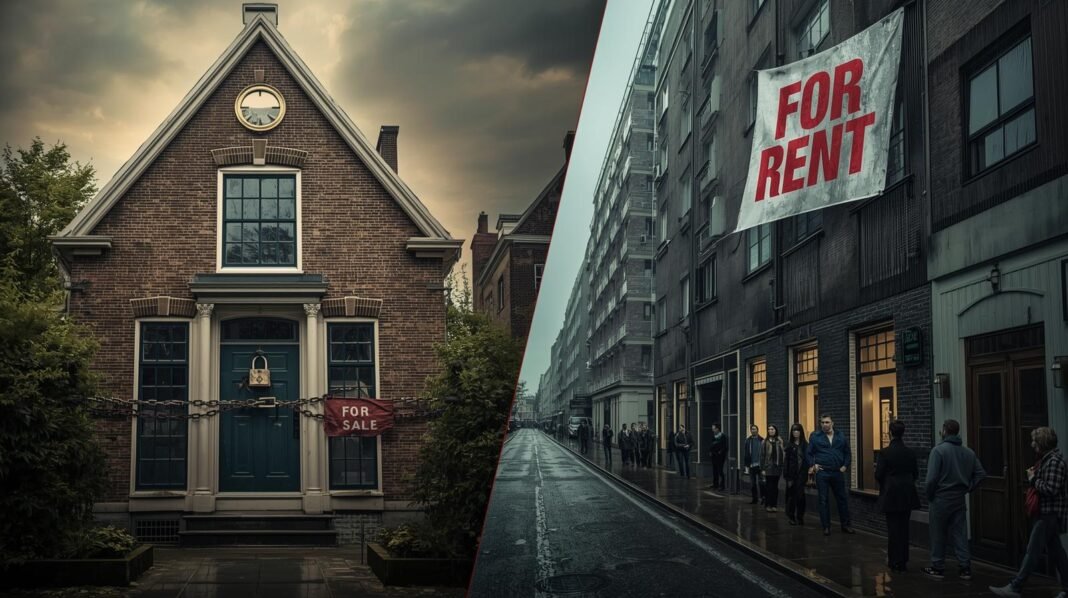
Amsterdam – While firefighters were still battling the flames at the historic Vondelkerk on New Year’s Eve, a different kind of fire was spreading online. Within minutes, a coordinated disinformation campaign had branded the blaze a “Jihadist attack,” despite zero evidence.
A new, comprehensive report by disinformation experts reveals how quickly false narratives can hijack reality in the Netherlands. The speed and precision of the campaign raise serious questions about digital manipulation, “rage farming,” and the fragility of truth in the age of algorithmic anger.
Table of Contents
- The Spark: A Fire in a Heritage Site
- The Lie: “Muslim Terrorists” Trend in 60 Minutes
- The Mechanism: What is “Rage Farming”?
- Why Vondelkerk? The Power of Symbols
- The Pipeline: X, Telegram, and TikTok
- The EU Strikes Back: The Digital Services Act
- Key Takeaways
- Dutch Learning Corner
- Community CTA
The Spark: A Fire in a Heritage Site
The incident itself was straightforward but tragic.
On New Year’s Eve, a time notorious for heavy fireworks usage and minor accidents in the Netherlands, a fire broke out at the Vondelkerk in Amsterdam. The 19th-century neo-Gothic building, located near the Vondelpark, is a city icon.
Emergency services responded immediately. While the official investigation into the cause (likely a stray firework or an electrical fault) was just beginning, the online verdict was already out. There were no official reports of foul play, let alone terrorism, yet the narrative shifted instantly.
The Lie: “Muslim Terrorists” Trend in 60 Minutes
According to data analysts and former intelligence officers, the speed of the misinformation was “unnatural” and bore the hallmarks of a coordinated op.
The Timeline of a Lie:
* Minute 0: News breaks of the fire.
* Minute 15: The first posts linking the fire to “Muslims” and the “Left-wing elite” appear on X (formerly Twitter) and Telegram groups.
* Hour 1: The narrative morphs from speculation to “asserted fact.” Approximately 20% of all posts about the fire explicitly blamed Islamic extremism.
Experts noted that linking “Jihadism” with the “Left-wing elite” is a specific narrative trope designed to polarize society, rather than a spontaneous reaction from concerned citizens.
The Mechanism: What is “Rage Farming”?
Why does this happen? The answer lies in a concept known as “Rage Farming.”
Social media algorithms are designed to maximize engagement (time spent on the app). Nothing keeps users scrolling and commenting quite like anger.
* The Bait: Influencers post a shocking claim (“They are burning our churches!”).
* The Reaction: People share it in outrage, or comment to correct it.
* The Result: The algorithm sees “high activity” and pushes the post to thousands more people.
In the case of Vondelkerk, the truth (“it was likely a firework accident”) is boring. The lie (“it is a civil war”) is profitable for content creators seeking views.
Why Vondelkerk? The Power of Symbols
The choice of target was not accidental.
Although the Vondelkerk is no longer used for Catholic services (it houses offices and event spaces), it remains a powerful Christian symbol architecturally.
Disinformation networks exploited this visual. Images of a “burning church” fit perfectly into the “Great Replacement” conspiracy theory often peddled by the far-right. It triggers a primal emotional response about the loss of identity and culture, making it an ideal vehicle for anti-immigrant sentiment—even if the fire was caused by a Dutch teenager with a firecracker.
The Pipeline: X, Telegram, and TikTok
The report highlights a sophisticated “pipeline” of disinformation:
1. The Seed (Telegram/4chan): Radical groups plant the seed of the narrative in closed groups.
2. The Amplifier (X/Twitter): “Blue Check” accounts and influencers pick up the rumor, presenting it as “what the mainstream media won’t tell you.”
3. The Visual (TikTok): Short, dramatic videos with ominous music spread to younger audiences, often lacking any context.
By the time official fact-checkers debunk the claim, millions have already seen the lie, and the emotional damage is done.
The EU Strikes Back: The Digital Services Act
This incident is exactly why the European Union introduced the Digital Services Act (DSA).
Under these new rules, platforms like X and TikTok are legally required to mitigate systemic risks, including the spread of disinformation during crises.
Analysts warn that the Vondelkerk incident could trigger further investigations by Brussels. If platforms failed to slow down the viral spread of these debunked claims, they could face massive fines. The era of “anything goes” online is colliding with European law.
Key Takeaways
- The Event: Vondelkerk fire was falsely labeled a terror attack within minutes.
- The Method: “Rage Farming”—using anger to hack algorithms for views.
- The Symbolism: A “burning church” visual was weaponized to fuel culture war narratives.
- The Law: Such unchecked disinformation puts platforms at risk under EU’s Digital Services Act.
Dutch Learning Corner
| Word | Pronun. (Eng) | Meaning | Context (NL + EN) |
|---|---|---|---|
| 🤥 Het Nepnieuws | Het Nep-nyuws | Fake News | Nepnieuws verspreidt zich razendsnel. (Fake news spreads lightning fast.) |
| 😡 De Ophef | De Op-hef | Commotion / Outrage | Er ontstond veel ophef op sociale media. (A lot of outrage arose on social media.) |
| ⛪ Het Erfgoed | Het Erf-hoot | Heritage | De kerk is belangrijk cultureel erfgoed. (The church is important cultural heritage.) |
| ⚖️ De Wetgeving | De Wet-hay-ving | Legislation | Europese wetgeving moet dit stoppen. (European legislation must stop this.) |
Have You Been “Rage Farmed”?
We’ve all clicked on something because it made us angry. Do you think social media platforms should be fined for allowing these “digital wildfires” to spread? Or is that censorship? Join the debate below.
Source / Society: NOS, EU Commission & DutchNews.