



Binnenhof Renovation Unearths Troubles: A National Embarrassment?
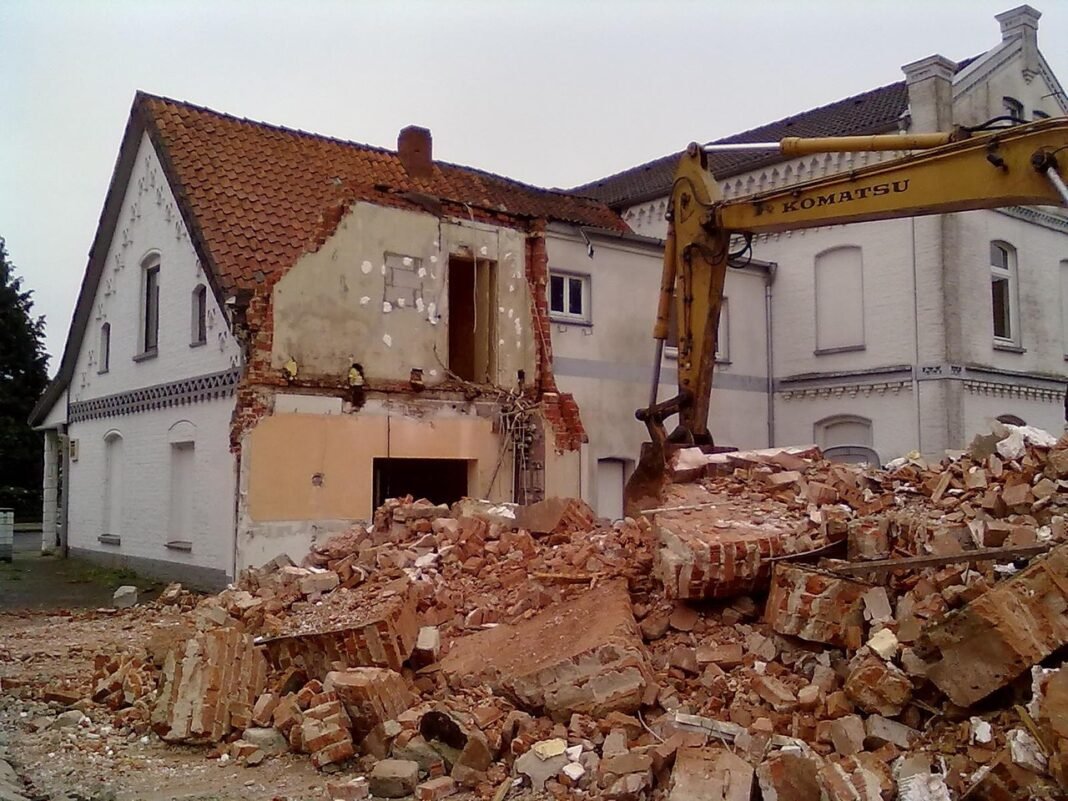
The ongoing renovation of the Binnenhof, the heart of Dutch politics in The Hague, has become less a symbol of renewal and more a catalogue of disasters. Asbestos, mould, a thriving colony of rose-ringed parakeets, and widespread rot – the list of problems uncovered during the project continues to grow, leaving Dutch taxpayers reeling. This is the third in a series examining projects where initial optimism has given way to a cascade of unforeseen issues, and it begs the question: how could a building of such national importance fall into such disrepair, and what does this say about our maintenance culture?
Table of Contents
- Historical Context: A Building Steeped in History
- The Unfolding Disaster: From Asbestos to Parakeets
- Cost Overruns and Delays: A Taxpayer’s Nightmare
- Lessons Learned (Or Not): A Systemic Problem?
- Future Implications: Protecting National Heritage
Historical Context: A Building Steeped in History
The Binnenhof’s history stretches back to the 13th century, initially constructed by Count William I of Holland. Over the centuries, it evolved from a medieval castle to the political centre of the Netherlands. The current complex largely dates from the 19th century, designed by Pieter Cuypers, the same architect responsible for Amsterdam’s Rijksmuseum and Central Station. This architectural heritage, while beautiful, presents unique challenges. Older buildings inherently require more frequent and specialized maintenance. However, decades of deferred maintenance, coupled with a lack of thorough initial assessments, have clearly exacerbated the problems. The building has witnessed pivotal moments in Dutch history, from the proclamation of independence to countless parliamentary debates. Its symbolic importance demands a level of care that, until recently, appears to have been sorely lacking.
The Unfolding Disaster: From Asbestos to Parakeets
The initial scope of the renovation was already ambitious, aiming to modernize the Binnenhof while preserving its historical character. However, the project quickly spiralled into a series of unwelcome discoveries. The presence of asbestos, a known health hazard, necessitated costly and time-consuming removal procedures. Then came the mould, thriving in damp conditions caused by years of water damage. But perhaps the most bizarre revelation was the discovery of a large colony of rose-ringed parakeets nesting within the building’s structure. These invasive species, originally introduced as exotic pets, have adapted remarkably well to the Dutch climate and have caused significant damage to the building’s facade. The sheer volume of rot discovered in the wooden structures is also alarming, suggesting a fundamental failure to address basic maintenance issues over many years. Each new discovery adds to the complexity and cost of the project.
Cost Overruns and Delays: A Taxpayer’s Nightmare
The initial budget for the Binnenhof renovation was already substantial, estimated at around €650 million. However, with each new problem uncovered, the costs have continued to escalate. Current estimates suggest the final bill could exceed €800 million, and potentially even surpass €1 billion. The project is also significantly behind schedule. Originally slated for completion in 2028, the delays caused by the unforeseen issues mean the Binnenhof is unlikely to be fully renovated before 2030, or even later. This financial burden and prolonged disruption are understandably causing outrage among Dutch taxpayers, who are left to foot the bill for decades of neglect. The lack of transparency surrounding the cost increases has further fuelled public anger.
Lessons Learned (Or Not): A Systemic Problem?
The Binnenhof renovation is not an isolated incident. Similar problems have plagued other large-scale renovation projects in the Netherlands, raising questions about systemic issues within the Dutch construction and maintenance sectors. A lack of thorough initial assessments, inadequate planning, and a tendency to prioritize short-term cost savings over long-term maintenance appear to be recurring themes. There’s a cultural issue at play – a reluctance to invest in preventative maintenance until a crisis occurs. This reactive approach ultimately proves far more expensive in the long run. The government has promised to review its procedures for managing large-scale renovation projects, but concrete action is needed to address the underlying problems.
Future Implications: Protecting National Heritage
The Binnenhof saga serves as a stark warning about the importance of preserving national heritage. Neglecting these historical landmarks not only diminishes our cultural identity but also carries significant financial consequences. Future renovation projects must prioritize thorough assessments, realistic budgeting, and a commitment to long-term maintenance. Investing in preventative measures is crucial to avoid repeating the mistakes of the past. Furthermore, greater transparency and accountability are needed to ensure that taxpayers’ money is spent wisely and that projects are delivered on time and within budget. The Binnenhof should be a symbol of Dutch pride, not a monument to mismanagement.
Key Takeaways
- Honestly, this whole situation is a bit of a national embarrassment. How did we let the heart of our democracy fall into such a state of disrepair?
- The cost overruns are outrageous, and the delays are unacceptable. Taxpayers deserve better, and we need to hold those responsible accountable.
- This isn’t just about the Binnenhof; it’s a symptom of a wider problem with how we approach maintenance and renovation in the Netherlands.
- We *need* to learn from this mess and invest in preventative maintenance to protect our national heritage for future generations.
Dutch Learning Corner
| 🇳🇱 Word | 🗣️ Pronun. | 🇬🇧 Meaning | 📝 Context (NL + EN) |
|---|---|---|---|
| 🏠 Huis | /hœys/ | House | Ik ga naar mijn huis. (I am going to my house.) |
| 🛠️ Renovatie | /rɛnoˈvaːtsi/ | Renovation | De renovatie van het Binnenhof duurt langer dan verwacht. (The renovation of the Binnenhof is taking longer than expected.) |
| 💰 Kosten | /ˈkɔstə(n)/ | Costs | De kosten voor de renovatie zijn enorm gestegen. (The costs for the renovation have increased enormously.) |
| 🏛️ Erfgoed | /ˈɛrfɣut/ | Heritage | Het Binnenhof is een belangrijk stuk Nederlands erfgoed. (The Binnenhof is an important piece of Dutch heritage.) |
(Swipe left to see more)
Is the Binnenhof renovation a symbol of Dutch decline, or a necessary investment in our future?
The scale of the problems uncovered during the Binnenhof renovation is deeply concerning. It raises fundamental questions about our ability to manage large-scale projects and protect our national heritage. Share your thoughts in the comments below – what lessons should we learn from this debacle?