




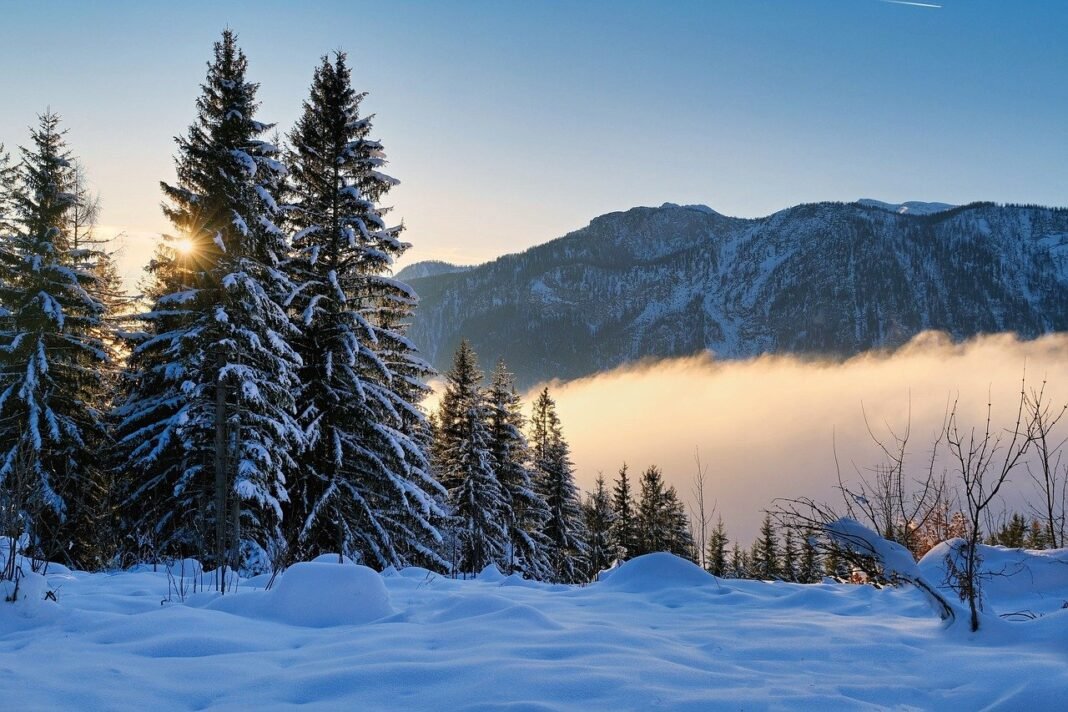
The Netherlands is currently gripped by a prolonged cold snap, with much of the country blanketed in snow and ice. As temperatures remain stubbornly low, residents are facing a range of challenges, from frozen pipes to treacherous pavements. This article details your rights and responsibilities regarding heating in rented properties and the obligation – or lack thereof – to clear snow and ice from sidewalks.
Table of Contents
- My Central Heating is Broken – What Now?
- Who is Responsible for a Snow-Free Pavement?
- Historical Context of Winter Maintenance in the Netherlands
- Future Implications of Climate Change on Winter Preparedness
- Expert Analysis: Legal Perspectives on Property Owner Responsibilities
My Central Heating is Broken – What Now?
With temperatures plummeting, a functioning central heating system is crucial. If your cv-ketel (central heating boiler) fails, knowing your rights is paramount. In most rental situations, the responsibility for repair lies with the landlord. If you rent a property with an existing cv-ketel, your landlord is legally obligated to ensure it’s in working order, covering both maintenance and repairs. However, your landlord may ask you to contact the emergency service (storingsdienst) directly. This does not mean you are responsible for the cost; the bill ultimately goes to the landlord.
Tenants are generally responsible for minor maintenance, such as bleeding radiators and topping up the system pressure. Crucially, do not attempt to repair the cv-ketel yourself. Doing so could make you liable for any resulting damage. Restarting the boiler after a shutdown is permissible, but complex repairs should always be left to qualified professionals.
If you, as a tenant, installed the cv-ketel yourself, you assume full responsibility for its maintenance and repair.
Who is Responsible for a Snow-Free Pavement?
Surprisingly, since 2007, there is no legal obligation for residents to clear snow and ice from the pavement in front of their homes. Consequently, landlords cannot legally compel you to do so. While not required, it is strongly advised to clear the area around your property to prevent accidents for yourself and others.
Regarding communal outdoor spaces like courtyards or parking areas, landlords are not automatically responsible for snow and ice removal. However, if you pay service charges (servicekosten) that include the services of a caretaker (huismeester), you can reasonably expect them to maintain snow-free pavements and stairways.
Historical Context of Winter Maintenance in the Netherlands
Historically, Dutch municipalities bore the primary responsibility for winter maintenance. However, budgetary constraints and a shift towards individual responsibility led to the 2007 ruling that removed the legal obligation for residents to clear pavements. This decision sparked debate, with concerns raised about safety, particularly for the elderly and those with mobility issues. Prior to this, the expectation was that homeowners would actively participate in keeping public spaces safe during winter months. The current system relies heavily on voluntary action and the responsibilities of property owners and caretakers in specific circumstances.
Future Implications of Climate Change on Winter Preparedness
Climate change is leading to more unpredictable weather patterns in the Netherlands, including more frequent and intense periods of cold and snow. This necessitates a re-evaluation of winter preparedness strategies. While the legal framework remains unchanged, there is growing pressure on municipalities to invest in better winter maintenance infrastructure and to promote greater public awareness of safety precautions. The increasing frequency of extreme weather events highlights the need for a more proactive and coordinated approach to winter management.
Expert Analysis: Legal Perspectives on Property Owner Responsibilities
According to legal experts, while there is no general obligation to clear snow, property owners can be held liable if someone is injured due to negligence. This means that if a property owner is aware of a dangerous situation (e.g., a heavily iced pavement) and fails to take reasonable steps to mitigate the risk, they could be held responsible for damages. The concept of “good housekeeping” (goed huisvaderschap) applies, requiring property owners to maintain their property in a reasonably safe condition. This legal principle underscores the importance of proactive winter maintenance, even in the absence of a legal obligation.
Key Takeaways
- Heating is the Landlord’s Responsibility: If you rent, your landlord is generally responsible for maintaining a working cv-ketel.
- No Legal Obligation to Clear Snow: You are not legally required to clear the pavement in front of your home.
- Safety First: While not legally mandated, clearing snow and ice is a responsible act that can prevent accidents.
- Service Costs Matter: If you pay for a caretaker, snow removal should be included in their duties.
| 🇳🇱 Word | 🗣️ Pronun. | 🇬🇧 Meaning | 📝 Context (NL + EN) |
|---|---|---|---|
| 🏠 Huis | /hœys/ | House | Ik ga naar mijn huis. (I am going to my house.) |
| ❄️ Sneeuw | /sneu/ | Snow | De sneeuw valt zachtjes naar beneden. (The snow is falling softly.) |
| 🥶 Kou | /kɑu̯/ | Cold | Het is erg koud buiten vandaag. (It is very cold outside today.) |
(Swipe left to see more)
Is the current system of relying on voluntary snow clearance sufficient to ensure public safety during increasingly severe winters?
The lack of a legal obligation for snow clearance raises serious questions about public safety. While individual responsibility is important, a more coordinated and proactive approach is needed to protect vulnerable members of society. Should municipalities invest more in winter maintenance, or should the legal framework be revisited to clarify property owner responsibilities?