


Lost in Translation: More Dutch Words That Will Trip Up English Speakers
Just when you think you’re getting a handle on the Dutch language, a seemingly familiar word throws you for a loop. These linguistic pitfalls, where Dutch words masquerade as English but carry entirely different meanings, are a constant source of amusement – and sometimes, frustration – for expats and visitors. We’ve previously highlighted some of these pesky misunderstandings, but the Dutch language is a treasure trove of them. This article delves into a fresh batch of words that sound English, but definitely aren’t.
Table of Contents
- “Action” – More Than Just Excitement
- “Bank” – Not Where You Store Your Euros
- “Bench” – A Canine Conundrum
- “Box” – Beyond Cardboard
- “Coffeeshop” – A Different Kind of Brew
- “Oldtimer” – Not Just an Elderly Person
- “Monument” – Buildings, Not Statues
- “Onder water” – A Financial Dip
- “Playbacken” – Mime Time
- “Spookrijder” – The Ghostly Motorist
“Action” – More Than Just Excitement
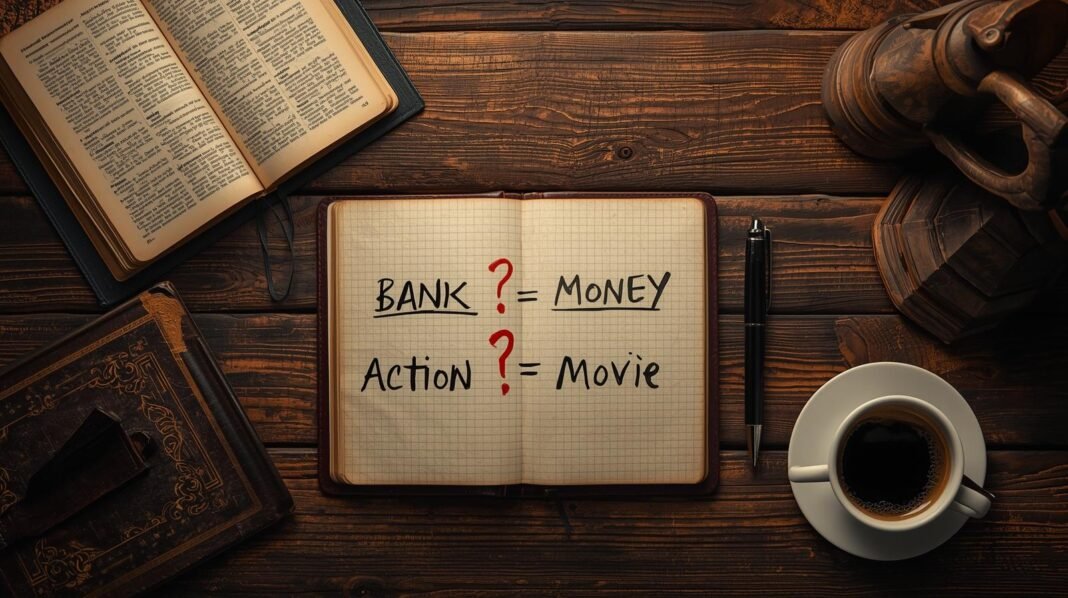
Thinking of “going down to look at the action”? Forget thrilling events or exciting happenings. In the Netherlands, “action” refers to budget retail stores – think a Dutch equivalent of a discount supermarket. It’s where you go to find bargains you didn’t even know you needed.
“Bank” – Not Where You Store Your Euros
While a “bank” traditionally means a financial institution, in Dutch, it’s far more likely to refer to a sofa or settee. Don’t be surprised if you’re invited to sit on someone’s “bank” – they’re not offering you a loan, just a place to relax.
“Bench” – A Canine Conundrum
“My dog is in the bench,” a Dutch speaker might say. This isn’t a heartwarming image of a pup enjoying a park bench. “Bench” in Dutch means a cage, often used for dogs. It implies the animal is confined, usually for its own safety (or, more likely, because the owner hasn’t completed dog training!).
“Box” – Beyond Cardboard
If a Dutch person mentions putting their bike in the “box,” they aren’t reaching for a specially designed bike box. They’re referring to the storage space in the cellar of their apartment building. This linguistic shortcut evolved from the original English term “box room,” with the “room” gradually being dropped.
“Coffeeshop” – A Different Kind of Brew
Perhaps the most famous Dutch linguistic quirk. A “coffeeshop” may serve coffee, but its primary business is the sale of cannabis. These licensed establishments allow the legal purchase of up to 5 grams of marijuana per day. While strict ID checks (18+) are mandatory everywhere, some border municipalities also require proof of residency to discourage “drug tourism,” though major cities like Amsterdam remain open to visitors.
“Oldtimer” – Not Just an Elderly Person
Don’t mistake an “oldtimer” for a senior citizen. In Dutch (and German), it refers to a classic car. And, unsurprisingly, it’s often wealthy “oldtimers” who are driving the “oldtimers.”
“Monument” – Buildings, Not Statues
The Netherlands boasts thousands of “monuments.” But these aren’t statues commemorating historical figures. A “monument” in Dutch designates a building of historical or cultural significance, a listed building that requires preservation.
“Onder water” – A Financial Dip
Hearing a Dutch homeowner say their house is “onder water” doesn’t necessarily mean it’s flooded (though that’s a growing concern). It means they’re in negative equity – the value of their home is less than the outstanding mortgage.
“Playbacken” – Mime Time
“Playbacken” doesn’t mean replaying a recording. It means miming to music. The “Playbackshow” was a popular Dutch TV program featuring contestants performing mime routines.
“Spookrijder” – The Ghostly Motorist
A “spookrijder” literally translates to “ghost rider.” However, it doesn’t refer to a supernatural being or someone on a closed road. It refers to a wrong-way driver—someone driving against the flow of traffic on a highway. It’s a terrifying announcement to hear on the traffic news, warning drivers that a “ghost” is heading towards them in the wrong lane!
Historical Context
The phenomenon of Dutch words adopting English sounds but diverging in meaning is rooted in the Netherlands’ long history of trade and cultural exchange. English has heavily influenced Dutch, but the language has also adapted and reinterpreted these borrowed terms. Often, it’s a case of semantic shift – the meaning of a word evolving over time.
Future Implications
As the Netherlands becomes increasingly international, these linguistic quirks are likely to persist. While English is widely spoken, the Dutch language remains strong, and these “false friends” will continue to trip up unsuspecting English speakers. Understanding these nuances is crucial for effective communication and avoiding embarrassing misunderstandings.
Expert Analysis
Linguists point to the Dutch tendency towards pragmatism as a contributing factor. Rather than adopting entire phrases, the Dutch often take the most essential part of a word or expression, leading to these abbreviated and re-purposed terms. This linguistic efficiency, while convenient, can create confusion for those unfamiliar with the local context.
Key Takeaways
- Don’t assume a Dutch word means the same as its English counterpart – always check the context.
- These linguistic quirks are a charming part of Dutch culture and a testament to the language’s adaptability.
- Embrace the confusion! It’s a great conversation starter and a learning opportunity.
| Word | Pronun. (Eng) | Meaning | Context (NL + EN) |
|---|---|---|---|
| 🗳️ Verkiezing | Ver-kee-zing | Election | De uitslag van de verkiezing was verrassend. (The result of the election was surprising.) |
| 🏘️ Wijk | Vick | Neighborhood | Ik woon in een rustige wijk. (I live in a quiet neighborhood.) |
| 🧾 Rekening | Reh-keh-ning | Bill | Mag ik de rekening, alstublieft? (May I have the bill, please?) |
(Swipe left to see more)
Are you confident you can navigate a Dutch conversation without falling into these linguistic traps?
The Dutch language is full of surprises, and these “false friends” are just the tip of the iceberg. Share your own experiences with Dutch-English misunderstandings in the comments below! What other words have caught you off guard?