ARNHEM – October 8, 2026 | The Dutch Daily
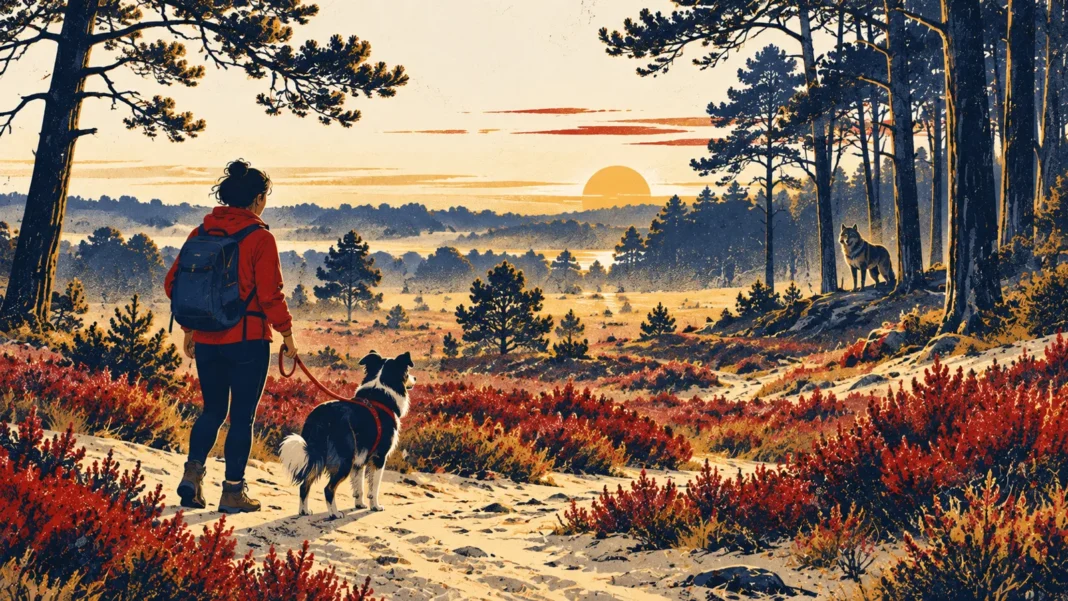
Wolves in the Netherlands are here to stay. On 7 October 2026 BIJ12, which monitors wolves on behalf of the Dutch provinces, reported that at least 56 wolf cubs were born this year in Gelderland, Drenthe and Utrecht. In 2025, DNA research identified 131 different wolves in the country. If you walk, cycle or take your dog out on the Veluwe or the Utrechtse Heuvelrug, here is what you need to know, based on official Dutch sources.
Wolves in the Netherlands: quick answer
- Cubs in 2026: at least 56 (37 in Gelderland, 13 in Drenthe, 6 in Utrecht), up from at least 52 in 2025.
- Wolves identified by DNA in 2025: 131, of which 79 for the first time.
- Territories: 14 wolf areas, plus 5 regions where wolves may be settling.
- Where: mostly Drenthe, Friesland, Gelderland and Utrecht.
- If you meet one: stay calm, keep your dog on a short lead, keep at least 100 metres away, never feed it.
- Emergency: aggressive wolf or bitten? Call 112.
Contents
- 1. Wolves in the Netherlands in numbers
- 2. Where do wolves live in the Netherlands?
- 3. How the wolf came back
- 4. What to do if you meet a wolf
- 5. Young wolves in spring and summer
- 6. Are wolves in the Netherlands protected?
- 7. Living with wolves: livestock and policy
- 8. How to report a wolf
- 9. FAQ
- 🇳🇱 Dutch Corner
- Sources
1. Wolves in the Netherlands in numbers
BIJ12’s wolf update of 7 October 2026 says at least 56 wolves were born in the Netherlands this year. The cubs were seen on wildlife camera footage, checked by experts at BIJ12’s national Wolvenmeldpunt (wolf reporting centre). There may be more: information is not yet available for every territory.
| Year | Cubs born (at least) |
|---|---|
| 2026 | 56 |
| 2025 | 52 |
| 2024 | 56 |
| 2023 | 40 |
| 2022 | 8 |
| 2021 | 5 |
| 2020 | 6 |
| 2019 | 4 |
According to BIJ12, 227 cubs have been recorded since 2019.
BIJ12’s annual report for 2025, published in April 2026, adds more:
- In 2025, 131 different wolves were identified through DNA research, 79 of them for the first time. About 70% of these new wolves were offspring of Dutch packs.
- Since 2015, 259 different wolves have been identified. They came from the Netherlands (56%), Germany (18%) and Belgium (6%); for 19% the origin is unknown.
- Since 2015, 81 dead wolves have been registered, 29 of them in 2025. Traffic is the most common cause of death, followed by (suspected) aggression or competition between wolves.
- There are an estimated 14 packs (breeding pairs).
2. Where do wolves live in the Netherlands?
According to the Dutch government, most wolves live in the provinces of Drenthe, Friesland, Gelderland and Utrecht. Wandering wolves looking for their own territory can turn up in other parts of the country too.
BIJ12 counts 14 wolf territories. Gelderland has the most, nine of the fourteen. Cubs were found this year in these territories:
| Territory | Province | Cubs 2026 |
|---|---|---|
| Zuidwest-Veluwe | Gelderland | 10 |
| Noordwest-Veluwe | Gelderland | 8 |
| Noordoost-Veluwe | Gelderland | 7 |
| Zuidoost-Veluwe | Gelderland | 6 |
| Gelderse Vallei | Gelderland | 6 |
| Utrechtse Heuvelrug | Utrecht | 6 |
| Zuid-Drenthe | Drenthe | 6 |
| Middenveld | Drenthe | 5 |
| Midden-Drenthe | Drenthe | 2 |
In five other regions wolves have been seen, and BIJ12 is checking whether they are settling there: the Lauwers region (Friesland and Groningen), East Groningen, the Vechtdal in Overijssel, near the Noord-Veluwe, and Midden-Brabant. An area only counts as a territory once the same wolf has been shown by DNA to be there for at least six months in a row. DNA results that should settle this are expected in March.
BIJ12 also publishes interactive maps showing in which municipalities wolves or wolf traces were seen, and where wolves killed or injured livestock.
3. How the wolf came back
According to the Dutch government, wolves have lived in the Netherlands again since 2015. The female wolf of the Noord-Veluwe settled there in 2018 as the first wolf in the Netherlands, BIJ12 says. A year later she had cubs with a male, forming the first Dutch wolf pack since the animal’s return. She is now at least nine years old, which BIJ12 calls remarkable, because wolves in the wild live six years on average. It is not yet known whether cubs were born on the Noord-Veluwe this year.
4. What to do if you meet a wolf
The national wolf information point (Landelijk Informatiepunt Wolven) gives these basic rules:
- Try to stay calm and keep your dog on a short lead.
- Give the wolf space and keep enough distance, at least 100 metres, by slowly backing away.
- Make noise and big gestures if a wolf comes too close.
- Do not feed or lure a wolf, and do not follow it.
Who to call:
- A wolf keeps approaching you, or comes closer than 30 metres: call the regional police control room on 0900-8844.
- A wolf behaves aggressively, or you have been bitten: call 112.
- You can also report an incident to the province afterwards.
Nationaal Park De Hoge Veluwe gives similar advice for its visitors: stay calm, keep your distance, follow the park rules and stay on the designated roads and paths, give the wolf space, do not approach or follow it, and if it comes towards you, make yourself as large as possible and make a lot of noise. If you feel threatened in the park, call the park’s alarm number: +31 (0)55-3788166.
5. Young wolves in spring and summer
In spring and summer there can be young wolves. According to the national wolf information point, young wolves are more curious than adults and may come closer to people, and the parents can be protective of their young. It is important that young wolves stay shy of people, so never approach them and never lure them. If a young wolf does come towards you, you can scare it off by making yourself big and making a loud noise.
Our tip (not from the sources): the information point also publishes current area advice for residents and dog owners. Check it before a walk in a wolf area.
6. Are wolves in the Netherlands protected?
Yes. The protection of wolves is set out in the Bern Convention, the EU Habitats Directive and the Dutch Environment and Planning Act (Omgevingswet). Protection means a wolf may not be disturbed, caught or killed, and there must be enough wolves in the Netherlands that they do not die out again.
Since July 2025, the wolf’s status in the EU Habitats Directive has changed from “strictly protected” to “protected”. According to the government, that gives authorities more options to chase wolves away and to deal with “problem wolves”: wolves that have attacked pets, people or well-protected livestock several times.
7. Living with wolves: livestock and policy
The provinces are responsible for protecting wolves and for wolf policy. In 2025 the 12 provinces agreed on the Interprovincial Wolf Plan, which covers preventing or limiting wolf damage, for example to livestock, handling damage claims and monitoring the population. BIJ12 handles wolf damage to livestock on behalf of the provinces.
The national government’s approach is aimed at people and wolves living together and preventing incidents as much as possible. According to the government, it:
- encourages and helps people to protect animals on farms and in fields, for example with fences;
- informs people about wolves and what to do when they meet one;
- acts faster against wolves that cause problems: chasing wolves away with paintball guns, light or sound no longer requires a permit;
- monitors the wolf population and works with neighbouring countries.
The government also notes the benefits: wolves contribute to healthier numbers of roe deer, wild boar and red deer.
8. How to report a wolf
Anyone who thinks they have seen a wolf or wolf traces can report it to BIJ12’s national Wolvenmeldpunt. A team of trained volunteers and experts checks every report to make sure it is a wolf, using internationally agreed criteria.
9. FAQ
How many wolves in the Netherlands are there?
In 2025, 131 different wolves were identified by DNA, and at least 56 cubs were born in 2026. BIJ12 estimates there are 14 packs.
Where can you see wolves in the Netherlands?
Most wolves live in Drenthe, Friesland, Gelderland and Utrecht. Gelderland has nine of the fourteen territories.
What should I do if a wolf comes close?
Stay calm, keep your dog on a short lead, back away slowly to at least 100 metres, and make noise and big gestures if it comes too close. Closer than 30 metres or keeps approaching: call 0900-8844. Aggressive or bitten: call 112.
Are wolves still protected in the Netherlands?
Yes. Since July 2025 the EU status is “protected” instead of “strictly protected”, but a wolf may still not be disturbed, caught or killed.
🇳🇱 Dutch Corner
| Dutch | English |
|---|---|
| De wolf | Wolf |
| De welp | Cub |
| De roedel | Pack |
| Het leefgebied | Territory, habitat |
| De waarneming | Sighting |
| Melden | To report |
| Kort aan de lijn | On a short lead |
| Het vee | Livestock |
| Beschermd | Protected |
Sources
- BIJ12, 7 October 2026: Wolvenupdate: dit jaar zeker 56 welpen geboren in Nederland (cubs per year and territory, 14 territories, 5 possible new areas, Noord-Veluwe female, DNA timing, maps)
- Landelijk Informatiepunt Wolven, 9 April 2026: BIJ12 publiceert Jaarrapportage Wolven 2025 (131 wolves, 259 since 2015, origins, dead wolves, 14 packs, reporting)
- Landelijk Informatiepunt Wolven: Basisregels voor omgang met wolven (what to do, phone numbers, young wolves)
- Rijksoverheid: Wolven in Nederland (since 2015, provinces, protection status, government approach)
- Nationaal Park De Hoge Veluwe: What should you do if you encounter a wolf? (park advice, alarm number)
More on The Dutch Daily: Netherlands quality of life 2026
Free: Netherlands 2027 Money Checklist
Every deadline and number you need before and after 1 January 2027, on two printable pages. Confirm your email and the PDF is yours; we will also email you when the 2027 figures are confirmed.
 Read nextBusiness & FinanceDutch Municipal Taxes: Waste Tax, Sewer Charges & Water Board Tax